Table of Contents
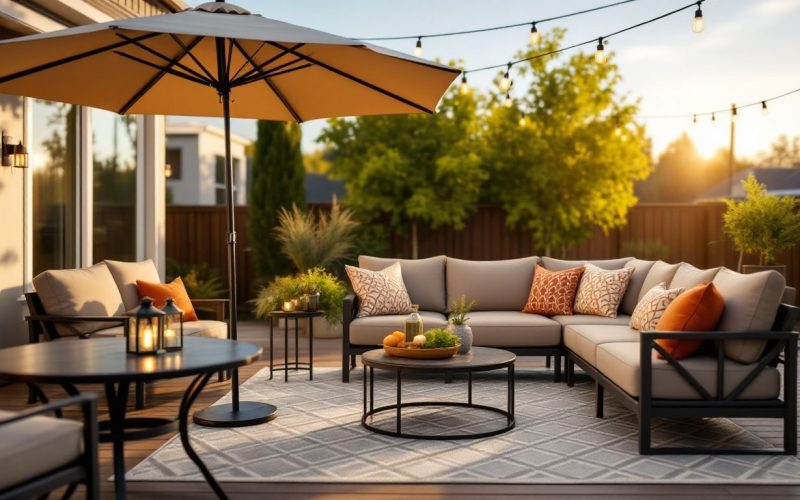
ToggleOutdoor furniture alone doesn’t make a patio livable. It’s the accessories, cushions that don’t soak through after a rainstorm, rugs that anchor the layout, lighting that keeps the conversation going past dusk, that turn a collection of chairs into a functional outdoor room. Most homeowners spend serious money on core furniture pieces, then wonder why the space still feels unfinished or uncomfortable. The right accessories bridge that gap. They add weather resistance, comfort, and visual cohesion without requiring structural work or permits. This guide covers the functional accessories that solve real problems: moisture protection, climate control, and extending usability across seasons.
Key Takeaways
- Quality patio furniture accessories extend furniture lifespan by 2–5 years while protecting against UV damage, moisture, and temperature swings—delivering $500–$1,500 in savings over five years.
- Invest in solution-dyed acrylic cushions with high-density polyurethane foam and secure four-point attachments to ensure comfort and durability in outdoor environments.
- Protective covers with 6–8 oz. fabric weight, taped seams, and air vents are essential maintenance equipment that prevents weathering up to 5 times faster than uncovered furniture.
- Outdoor rugs must feature polypropylene or PET backing with open-weave design for drainage, and should extend 18–24 inches beyond furniture footprints to define activity zones effectively.
- Layered lighting—combining ambient string lights (300–400 watts for 200 sq. ft.), task lighting, and decorative lanterns—extends patio usability by 3–4 hours daily into evening hours.
- Choose shade solutions strategically: market umbrellas with 1.5-inch aluminum poles and UPF 50+ fabric for portable coverage, or install retractable awnings and HDPE shade sails for permanent protection against peak sun temperatures exceeding 140°F.
Why Patio Furniture Accessories Matter for Your Outdoor Living Space
Bare outdoor furniture faces constant assault: UV degradation, moisture infiltration, temperature swings, and debris accumulation. Without protective and functional accessories, even premium teak or powder-coated aluminum shows wear within two seasons.
Accessories serve three practical functions. First, they extend furniture lifespan by shielding materials from weathering. A quality cover can double the service life of cushions and frames. Second, they make outdoor spaces genuinely comfortable for extended use, not just Instagram-worthy but actually sit-able for more than twenty minutes. Third, they allow seasonal adaptation. Swap light linen pillows for heavier outdoor-rated fabrics in fall, add heated elements in spring, adjust shade coverage as sun angles change.
The ROI is straightforward: a $200 investment in covers, cushions, and protective accessories typically saves $500–$1,500 in premature furniture replacement over five years. That math works even better when accessories transform underused patios into daily-use spaces that reduce indoor cooling costs during summer months.
Essential Cushions and Pillows for Comfort and Style
Standard outdoor furniture sits 2–3 inches lower than indoor seating, and hard surfaces like metal or resin quickly become uncomfortable. Outdoor cushions bridge that ergonomic gap, but only if they’re built for exterior use.
Look for cushions with solution-dyed acrylic fabric (not just “water-resistant” polyester). Solution-dyeing saturates fibers before weaving, making color UV-stable and fade-resistant for 3–5 years of full sun exposure. Sunbrella and similar brands meet this standard. Avoid cotton blends, they wick moisture into fill material and promote mildew.
Fill matters as much as shell fabric. High-density polyurethane foam wrapped in Dacron provides structured support and dries faster than polyester fiberfill. For maximum drainage, choose open-cell foam with a moisture barrier wrap. Cheaper cushions use shredded foam that compresses flat within one season.
Check thickness: 3–4 inches for seat cushions, 2–3 inches for back support. Anything thinner bottoms out under body weight. Ties or elastic straps should attach at four points minimum, two-point ties let cushions slide and bunch.
Throw pillows add visual interest, but standard indoor pillows disintegrate outdoors. Use pillows with outdoor-grade fabric and synthetic fill (never down or kapok). Removable covers simplify cleaning. For high-moisture climates, store decorative pillows indoors between uses.
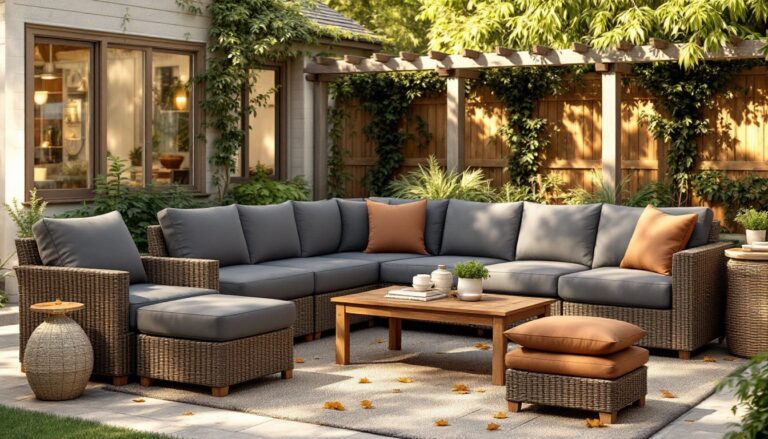
Homeowners seeking durable furniture pairing options find that coordinating cushion colors with frame finishes creates visual cohesion without requiring custom upholstery work.
Protective Covers and Storage Solutions
Covers aren’t optional in most climates, they’re maintenance equipment. Uncovered furniture weathers 3–5 times faster than covered pieces, particularly in regions with freeze-thaw cycles or high humidity.
Quality covers use solution-dyed polyester or vinyl-backed fabric with taped seams (not just stitched). Weight matters: look for 6–8 oz. fabric weight minimum. Lighter covers tear in wind: heavier marine-grade vinyl doesn’t breathe and traps condensation. The best designs incorporate air vents that prevent billowing while releasing moisture.
Fit precision prevents most cover failures. Measure furniture dimensions when assembled, many covers list “fits 60-inch table” but bunch awkwardly on 58-inch or 62-inch models. Adjustable hem cords or buckle straps hold covers taut against wind gusts. For sectional sofas, buy covers designed for modular furniture rather than generic “large sofa” sizes.
Storage timing depends on climate. In areas with harsh winters (USDA Zones 6 and below), store cushions indoors from November through March. In milder zones, covers suffice except during extended rain. Deck boxes made from resin wicker or polyethylene provide on-site storage without dedicated shed space. Choose boxes with gas lift hinges for easy access and sizes that match your cushion stack height, most seat cushions need 18–24 inches of interior clearance.
Never store damp cushions. Even outdoor fabric mildews when packed wet. Let cushions dry 24–48 hours after rain before covering or storing.
Outdoor Rugs and Flooring Enhancements
Outdoor rugs define activity zones on large patios and protect decking from furniture leg damage, but they’re not just scaled-up indoor rugs. They need drainage, UV stability, and mold resistance.
Material choice determines performance. Polypropylene (olefin) resists moisture, fading, and staining better than natural fibers. It’s solution-dyed like quality cushion fabric, so colors stay vibrant for 3–5 seasons. PET (recycled polyester) offers similar weather resistance with softer texture. Avoid jute, sisal, or cotton, they rot when exposed to ground moisture, even on covered patios.
Rug backing must allow water passage. Look for open-weave or perforated backings that let rainwater drain through to the deck or concrete below. Solid rubber backings trap water and create slip hazards. For wood decks, use rug pads made from open-cell foam to prevent moisture accumulation that causes board rot.
Size affects both function and proportion. Rugs should extend 18–24 inches beyond furniture footprints on all sides, anything smaller looks cramped and defeats the zoning purpose. For a standard 6-seat dining set (roughly 60 × 38 inches), use a 9 × 12-foot rug minimum. For conversation areas, all furniture front legs should sit on the rug.
Maintenance is simple: shake out debris weekly, hose down monthly, and scrub with mild detergent quarterly. Roll and store rugs during winter in freeze-prone zones to prevent ice damage to fibers.
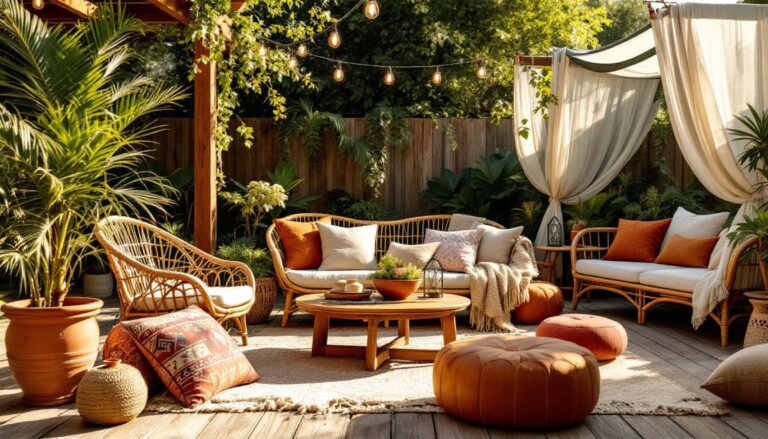
Many curated patio setups demonstrate how layering rugs under dining and seating zones creates visual separation without installing permanent flooring.
Lighting Accessories to Extend Evening Hours
Outdoor spaces without dedicated lighting go unused after sunset. Strategic lighting extends patio functionality by 3–4 hours daily during summer and makes spaces navigable year-round after dark.
String lights (café lights) remain the most cost-effective ambient solution. Use LED bulbs in shatterproof housings, incandescent bulbs generate excessive heat and fail frequently. For permanent installations, choose strings rated for wet locations (not just “damp”), with 16-gauge wire minimum. Secure strings to eye hooks or guide wires rather than draping loosely, sagging lines look sloppy and accumulate water.
Space sockets 18–24 inches apart for even illumination without harsh shadows. Plan for 1.5–2 watts per square foot of patio area. A 200-square-foot patio needs roughly 300–400 watts total output, which translates to about 25–35 LED café bulbs at typical 12-watt output.
Solar path lights work well for walkway definition but provide minimal functional light. For task lighting near grills or serving areas, use 120-volt hardwired fixtures installed by a licensed electrician. Low-voltage (12V) landscape lighting offers a middle ground, DIY-friendly installation with better light output than solar.
Lanterns and portable lamps add flexibility. Battery-powered or rechargeable LED lanterns avoid extension cord clutter. Look for models with dimming functions and IP44 rating or higher (protection against water splashing from any direction).
For year-round use, consider recessed deck lights flush-mounted between boards. They provide ambient glow without occupying table space or creating trip hazards. Installation requires drilling 2-inch holes and running low-voltage wire beneath decking, straightforward for DIYers comfortable with basic electrical work.
Residents exploring stylish outdoor accessories often discover that lighting layering, ambient strings plus task spotlights plus decorative lanterns, creates depth and usability.
Shade Solutions: Umbrellas, Canopies, and Beyond
Direct sun makes outdoor furniture unusable during peak daylight hours in most climates. Temperatures on unshaded seating can exceed 140°F in full summer sun, hot enough to cause burns on contact.
Market umbrellas provide portable shade for tables and small seating groups. Choose canopy diameters 2–3 feet larger than the furniture footprint they cover. A 48-inch round table needs a 9-foot umbrella minimum. Cantilever (offset) umbrellas shade larger areas without center poles obstructing tables, but they require weighted bases of 75–100 pounds to prevent tipping in wind.
Pole diameter determines stability. Cheap umbrellas use 1.25-inch poles that flex in moderate wind. Quality models use 1.5-inch or larger aluminum poles with stainless steel ribs. Canopy fabric should be solution-dyed acrylic with UPF 50+ rating (blocks 98% of UV radiation).
Retractable awnings offer permanent shade without occupying floor space. Manual models start around $400: motorized versions with wind sensors run $1,500–$3,000 installed. Most building codes consider awnings under 10 feet as accessory structures that don’t require permits, but verify local regulations before installation.
Shade sails create modern visual impact using tensioned fabric panels. They’re DIY-installable but require solid anchor points: lag bolts into wall studs or concrete-set posts. Tension must be high enough to prevent fabric flapping, use turnbuckles for adjustment. Cheap polyester sails sag and fade within two seasons: invest in HDPE (high-density polyethylene) with reinforced corners.
For covered patios, ceiling fans improve comfort by 8–10°F through air circulation. Use fans rated for wet locations (UL 1598 Wet Location). Standard indoor fans corrode rapidly in humid outdoor environments.
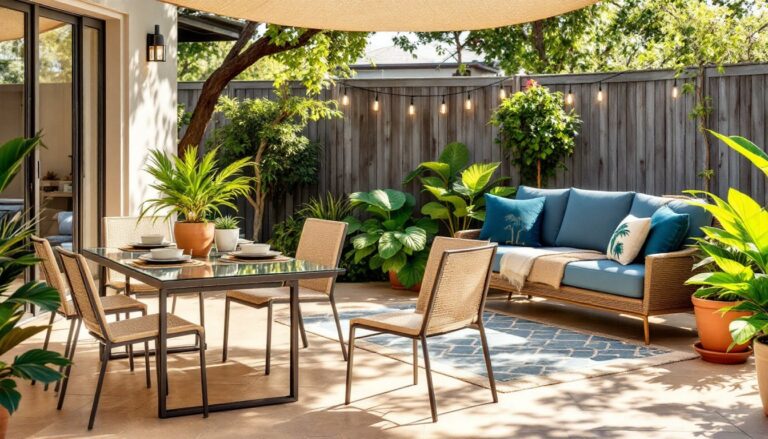
Homeowners frequently reference patio design collections that demonstrate how layering fixed shade structures with adjustable umbrellas accommodates changing sun angles throughout the day.
Conclusion
Outdoor furniture accessories aren’t decorative extras, they’re functional components that determine whether a patio gets daily use or sits empty. Prioritize accessories that solve specific problems: cushions for comfort, covers for longevity, lighting for usability, shade for temperature control. Start with protective basics (covers and cushions), then add lighting and shade as budget allows. Quality accessories pay for themselves through extended furniture life and increased space utilization, turning outdoor square footage into genuinely livable areas rather than seasonal showpieces.