Table of Contents
ToggleQuality outdoor furniture represents a significant investment, and leaving it exposed to the elements year-round is a costly mistake. UV rays fade fabrics, rain seeps into cushions and promotes mildew, and freeze-thaw cycles crack resin and warp wood. Heavy duty patio furniture covers act as the first line of defense against weather damage, extending the life of furniture by years, sometimes decades. But not all covers deliver on their promises. Cheap covers tear in high winds, trap moisture that accelerates rot, and disintegrate after a single season. This guide breaks down what separates genuinely protective heavy duty covers from flimsy alternatives, helping homeowners choose covers that actually work.
Key Takeaways
- Heavy duty patio furniture covers extend outdoor furniture lifespan by years by protecting against UV fading, water damage, and temperature-induced warping that would otherwise cost $2,000–$5,000 to repair.
- Quality heavy duty covers use 600–1000 denier polyester or marine-grade vinyl with multi-layer construction, UV ratings of 1000+ hours, and heat-welded seams to prevent tears and water infiltration.
- Proper sizing is critical—measure furniture with cushions in place and add 2–3 inches for drape, then choose individual or group covers based on your patio layout and climate region.
- Different furniture types require specialized covers: dining sets need 30–40 inch heights with elastic bottoms, sectionals need contoured L or U-shaped designs, and grills require heat-resistant covers rated for 180–200°F.
- Regular maintenance—monthly brushing, gentle soap cleaning, proper storage in dry spaces, and seasonal inspections—can double the effective service life of quality heavy duty covers by preventing mold growth and catching damage early.
Why Heavy Duty Covers Are Essential for Outdoor Furniture
Outdoor furniture faces relentless environmental stress. UV radiation breaks down polymer chains in plastics and fades dyes in fabrics within months of exposure. A $1,200 sectional left uncovered in full sun can look bleached and brittle by the end of one summer. Water damage runs deeper than surface stains. Rain that soaks into cushion foam creates ideal conditions for mold and mildew, which compromise both structural integrity and indoor air quality if cushions are later brought inside. Wood furniture suffers even more, repeated wet-dry cycles cause warping, splitting, and finish failure.
Temperature extremes compound these problems. Metal furniture expands and contracts with seasonal temperature swings, loosening fasteners and creating stress points that eventually crack welds. In northern climates, freeze-thaw cycles force water into micro-cracks in concrete, stone, and ceramics, causing spalling and breakage. Heavy duty covers mitigate all of these threats by creating a weatherproof barrier that sheds water, blocks UV, and moderates temperature fluctuations.
The financial case is straightforward. A high-quality cover set for a six-piece outdoor dining set costs $150–$300 and lasts five to seven years with proper care. Replacing that same dining set due to weather damage runs $2,000–$5,000. Even accounting for the hassle of covering and uncovering furniture seasonally, the math heavily favors protection. Covers also maintain resale value, covered furniture commands significantly higher prices on secondary markets because buyers can see it’s been maintained.
Key Features to Look for in Heavy Duty Patio Furniture Covers
Not every product labeled “heavy duty” lives up to the name. The distinction lies in specific, measurable features that determine how well a cover performs under real-world conditions.
Material Durability and Weather Resistance
Fabric weight is the most reliable initial indicator of durability. Heavy duty covers typically use 600–1000 denier polyester or marine-grade vinyl. Denier measures the mass of fiber: higher numbers mean thicker, more abrasion-resistant material. For comparison, lightweight covers use 150–300 denier fabric that tears easily and degrades in 12–18 months. Look for multi-layer construction with a waterproof polyurethane or PVC backing sandwiched between outer fabric layers. This construction sheds water while allowing some air circulation to prevent condensation buildup.
UV inhibitors embedded in the fabric prevent photodegradation. Quality manufacturers specify UV ratings of 1000+ hours in accelerated weathering tests, which translates to roughly five years of full-sun exposure before significant fading or weakening occurs. Skip covers that don’t publish UV test data, it’s usually a red flag. Water resistance should meet or exceed 1500mm hydrostatic head pressure, the industry standard for “waterproof.” Anything below 1000mm will leak in heavy rain.
Reinforced seams and stress points separate durable covers from junk. Double-stitched or heat-welded seams with bound edges prevent fraying. Corners and tie-down points, the areas that take the most stress in wind, should have bar-tack stitching or reinforcing patches. Cheaper covers use single-stitch construction that unravels within months. Examine zippers and closures closely. Heavy-gauge YKK or equivalent zippers with storm flaps over the teeth keep water out: flimsy plastic zippers jam, break, or let water seep through gaps. Buckle straps with adjustable tension control perform better than drawstrings alone, especially on large covers subjected to wind.
Sizing and Fit Considerations
Ill-fitting covers fail regardless of material quality. A cover that’s too small won’t close properly, leaving gaps for water and debris. Covers that are too large billow in wind, creating lift that can tear tie-downs or send the cover flying. Standard patio furniture dimensions follow predictable ranges, a typical outdoor sofa runs 75–90 inches long, but always measure the furniture with cushions in place before ordering. Add 2–3 inches to length, width, and height measurements for proper drape without excessive material.
For furniture sets, decide between individual covers or one large group cover. Individual covers fit tighter and allow selective use (covering only the pieces that stay outside while storing others). Group covers work well for permanently arranged sets on large patios or decks where ease of use outweighs precision fit. When using group covers, ensure adequate venting, large covers trap more moisture and require mesh vent panels on multiple sides to promote airflow.
Adjustability features improve fit across furniture styles. Elastic hems, adjustable buckle straps at multiple points, and drawcords let one cover size accommodate variations in furniture height and shape. Quality covers include bottom straps or tie-downs that cinch under the furniture, anchoring the cover against wind uplift. In coastal or high-wind areas, add supplemental tie-downs or weighted bags to secure covers beyond manufacturer provisions.
Best Heavy Duty Cover Options for Different Furniture Types
Furniture geometry drives cover design. What works for a rectangular dining table fails on a curved sectional.
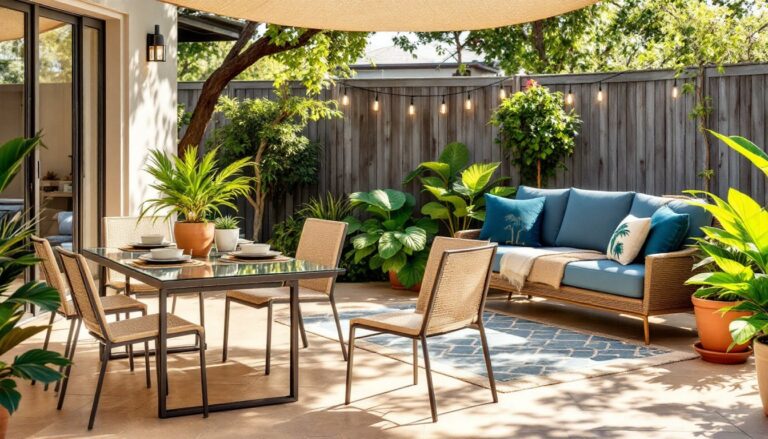
Dining sets require covers that accommodate chairs tucked under the table. Look for box-cut designs with generous height allowances, at least 30 inches for standard chairs, 40+ inches for high-back or swivel chairs. Covers with elastic at the bottom snug the fabric down once the cover drops over the set, preventing wind from getting underneath. Some designs include tie-down tabs for individual chair backs, useful if the set isn’t stored as a group. According to professional outdoor design publications, properly fitted dining set covers extend furniture life by preventing moisture damage to chair joints and table finishes.
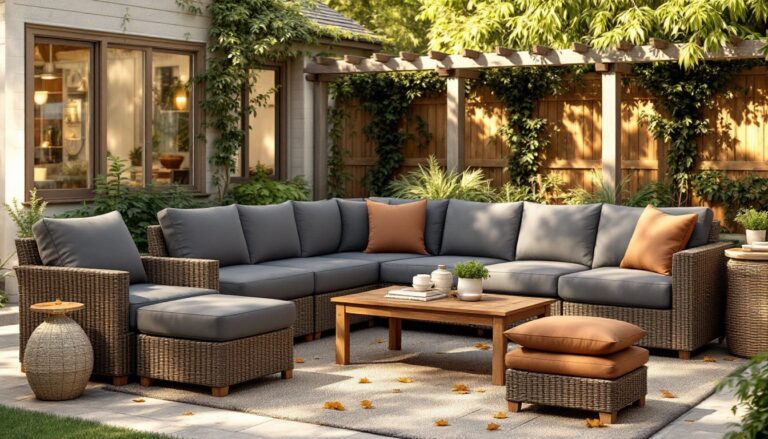
Sectionals and L-shaped sofas need covers shaped to match their footprint. Standard rectangular covers bunch awkwardly and leave sections exposed. Manufacturers offer modular sectional covers in L-shapes, U-shapes, and straight configurations. Measure each leg of the sectional separately and match the cover shape exactly. Deep-seat sectionals common in contemporary outdoor furniture require covers with 35–40 inch depth: standard 28–32 inch depths won’t reach the ground on oversized pieces. Built-in straps that connect around the base of the furniture keep multi-piece sectional covers from shifting.
Lounge chairs and chaise lounges benefit from contoured covers that follow the reclined shape rather than boxing over it. This reduces fabric volume, which means less wind catch and longer cover life. Adjustable chaise lounges pose a challenge, decide whether to cover them in the flat, mid, or upright position, then measure accordingly. Some manufacturers make adjustable-height chaise covers with drawcords that accommodate multiple reclining positions.
Fire pits, grills, and outdoor kitchens require specialized covers resistant to higher temperatures and grease. Standard furniture covers use materials that can melt or degrade near residual heat. Look for covers specifically rated for cooking equipment, typically made from solution-dyed polyester or acrylic-backed vinyl with heat-resistant properties. These covers handle temperatures up to 180–200°F without damage. Grill covers need side vents to release moisture and prevent rust on metal components. Fire pit covers should fully enclose the pit and extend to ground level to prevent debris accumulation inside the pit structure.
Many homeowners and experts in outdoor living spaces emphasize the importance of matching cover durability to regional climate, coastal areas demand mildew-resistant treatments, while mountain regions require heavy snow load capacity.
How to Properly Maintain and Store Your Patio Furniture Covers
Heavy duty covers require basic maintenance to reach their projected lifespan. Neglect accelerates wear and voids most warranties.
Regular cleaning prevents material breakdown. Dirt, pollen, and tree sap contain compounds that degrade fabric coatings over time. Brush off loose debris with a soft-bristle brush monthly during use. For deeper cleaning, hose down covers while still on the furniture, apply a solution of mild dish soap and water (1 tablespoon per gallon), scrub gently with a sponge, and rinse thoroughly. Never use bleach, harsh detergents, or pressure washers, these damage waterproof coatings and weaken seams. Let covers air dry completely before storage to prevent mildew growth during the off-season.
Address mold and mildew immediately when spotted. Mix one cup white vinegar per gallon of water, apply to affected areas, let sit for 15 minutes, then scrub and rinse. For stubborn mildew, specialized outdoor fabric cleaners containing enzymes break down organic growth without harming waterproof coatings. Prevention beats treatment, even waterproof covers benefit from periodic airflow. On dry days, pull back covers for a few hours to let furniture and cover interiors dry out completely.
Seasonal storage extends cover life significantly. At the end of the protection season, typically late spring in temperate climates, clean covers thoroughly, ensure they’re bone dry, and fold or roll them loosely to avoid permanent creases. Store covers in a dry, ventilated space like a garage, shed, or basement. Avoid storing in hot attics where temperatures exceed 120°F, which can damage waterproof coatings. Some homeowners store covers in large plastic bins with silica gel packets or moisture absorbers to control humidity. Label bins by furniture type and dimensions for easy identification next season.
Inspect covers at the start and end of each season for damage. Small tears and loose seams are repairable with seam sealer tape or marine-grade fabric patches, available at outdoor supply stores. Repair damage immediately, a quarter-inch tear becomes a six-inch rip after one windy storm. Check tie-downs, buckles, and zippers for wear. Replace worn straps before they fail: most manufacturers sell replacement hardware. According to comprehensive home care guides, proactive cover maintenance and minor repairs can double the effective service life of quality outdoor covers.
Wind management prevents most cover failures. Even heavy duty covers with secure tie-downs can suffer in sustained winds over 40 mph. In severe weather forecasts, remove covers and store furniture in a garage or shed if possible. If that’s not practical, add temporary sandbags or weighted corners to keep covers grounded. After storms, check that covers haven’t shifted or collected water in depressions, standing water stresses seams and creates sag points that weaken fabric.
Conclusion
Heavy duty patio furniture covers are a simple, cost-effective way to protect outdoor investments from weather damage. Choosing covers with the right material weight, waterproofing, UV resistance, and fit ensures furniture lasts through decades of seasonal use. Regular maintenance, cleaning, proper storage, and timely repairs, keeps covers performing at their best. For homeowners willing to invest in quality protection and take a few minutes for seasonal prep, outdoor furniture remains comfortable, attractive, and functional year after year.