Table of Contents
ToggleDesigner bedroom furniture isn’t just about aesthetics, it’s an investment in quality craftsmanship, timeless style, and daily comfort. Whether you’re furnishing a primary suite from scratch or upgrading a single statement piece, understanding what separates designer-grade furniture from mass-market options helps you make smarter buying decisions. This guide walks through the defining characteristics of designer furniture, the essential pieces worth prioritizing, current design trends for 2026, and practical strategies for mixing high-end items with budget-friendly finds without compromising your bedroom’s overall look.
Key Takeaways
- Designer bedroom furniture delivers lasting value through superior materials like kiln-dried hardwoods, hand-finished veneers, and European-made hardware rated for 50,000+ cycles, backed by 10–25 year warranties and repair services.
- Invest in structural pieces like bed frames and dressers that you use daily; pair them with budget-friendly nightstands and accents that can be upgraded later without compromising the room’s cohesive look.
- Current 2026 design trends favor mid-century modern, Japandi minimalism, curved silhouettes, and transitional styles that blend traditional and contemporary elements, all of which age gracefully compared to trendy aesthetics.
- Maximize budget efficiency by maintaining material consistency across pieces (stick to 2–3 wood species), upgrading hardware and finishes on basic furniture, and allocating 15–20% to high-impact textiles like quality linens and throw pillows.
- Calculate designer furniture ROI annually: a $3,000 frame lasting 20 years costs $150/year versus a $600 frame needing replacement in 5 years, plus hidden disposal and replacement costs that favor long-term durability.
What Makes Bedroom Furniture ‘Designer’ Quality?
Designer furniture distinguishes itself through three core factors: material quality, construction methods, and design provenance. You’re not paying for a label, you’re investing in solid hardwood frames instead of particleboard, hand-finished veneers over laminate, and joinery techniques like mortise-and-tenon or dovetail joints rather than staples and glue.
Most designer pieces use kiln-dried hardwoods (walnut, oak, maple) with moisture content around 6–8%, which minimizes warping over time. Upholstery fabrics typically carry higher thread counts and better colorfastness ratings. Hardware, drawer slides, hinges, handles, is often European-made soft-close mechanisms rated for 50,000+ cycles.
The design itself usually comes from a known studio or designer, which means the piece has undergone multiple prototype iterations. Proportions, sight lines, and ergonomics receive deliberate attention. Production runs are smaller, so you won’t find identical pieces in every neighbor’s home. Many designer manufacturers also offer customization options: finish colors, fabric choices, or dimensional tweaks to fit specific room layouts.
Finally, designer furniture often includes better warranties, 10 to 25 years on frames, and repair services. If a drawer slide fails in year seven, you can get replacement parts. That’s rarely the case with flat-pack furniture. When evaluating a piece, check the warranty terms, examine joints and drawer construction, and verify actual material composition (not just veneered surfaces over engineered wood cores).
Essential Designer Furniture Pieces for Your Bedroom
Choosing the Right Designer Bed Frame
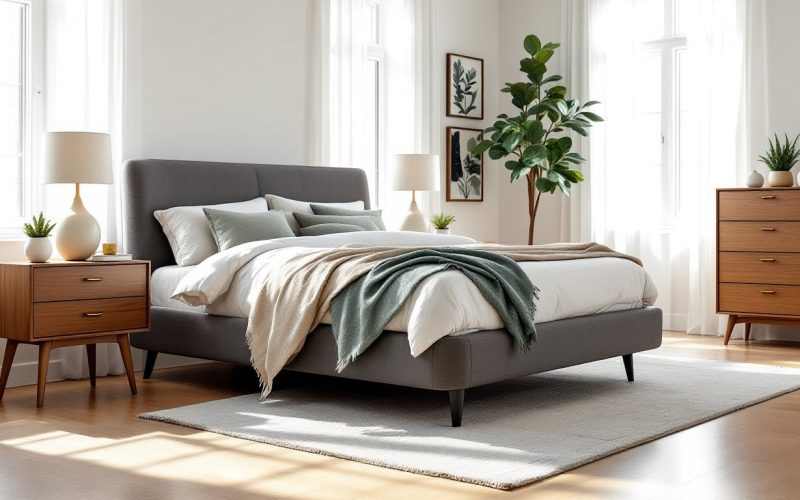
The bed frame is your bedroom’s anchor. Designer frames typically feature solid hardwood or metal construction with reinforced corner blocks and center support beams. Standard sizes, queen (60″×80″), king (76″×80″), and California king (72″×84″), apply, but designer frames often add height, with platform bases sitting 14–18″ off the floor instead of the mass-market 10–12″.
Consider the headboard style: upholstered headboards offer softness and sound dampening (helpful in shared walls), while wood or metal headboards provide architectural presence. If you’re installing wall-mounted reading lights or outlets, verify that the headboard design won’t block access. Many publications like ELLE Decor showcase designer beds that balance form and function seamlessly.
For platform beds, check slat spacing, no more than 3″ apart, to prevent mattress sagging. Some designer frames include built-in storage drawers on European-style glides, which is practical in smaller bedrooms but adds 4–6″ to the overall footprint. Always measure your room’s clearances before committing: you need at least 36″ of walkway on each side of the bed for comfortable movement, per basic interior design guidelines.
Statement Nightstands and Dressers
Nightstand heights should align with your mattress top, typically 24–28″ once you account for the bed frame and mattress thickness. Designer nightstands often feature solid wood construction, soft-close drawers, and integrated cable management cutouts. If you charge devices overnight, look for models with built-in USB ports or AC outlets.
Dressers are where joinery quality really shows. Pull out drawers fully and check for dovetail joints (interlocking teeth) at corners, this indicates hand-crafted construction. Drawer bottoms should be solid wood or quality plywood, not thin hardboard that sags under weight. Many pieces inspired by Scandinavian minimalism use understated hardware and light wood tones that work across multiple decor styles.
Plan for 48–60″ of clearance in front of dressers so drawers can open fully without hitting the bed frame. Taller chest-of-drawers (5–7 drawers) work in tight spaces but require secure wall anchoring, use L-brackets with screws into wall studs, not drywall anchors alone. This prevents tip-over accidents, especially critical if children access the room.
Popular Design Styles for Bedroom Furniture in 2026
Mid-century modern continues its run, with tapered legs, walnut finishes, and clean-lined silhouettes. This style pairs well with both vintage and contemporary accessories, making it a versatile choice. Expect to see more sustainable materials, FSC-certified woods and low-VOC finishes, as environmental concerns drive purchasing decisions.
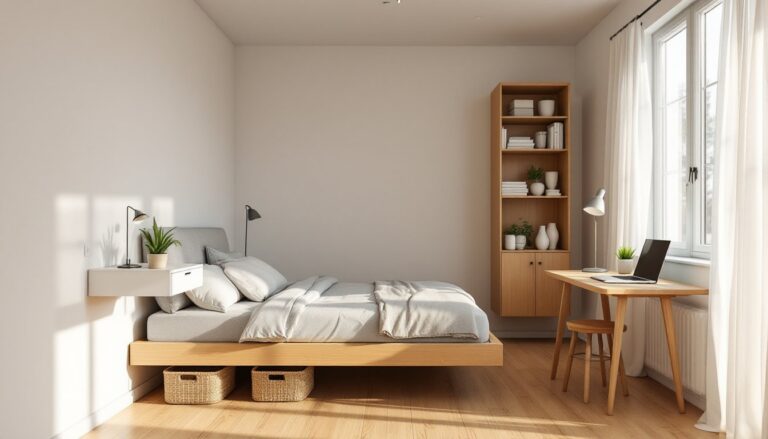
Japandi (Japanese-Scandinavian fusion) remains strong, emphasizing natural textures, muted palettes (beige, charcoal, sage), and low-profile furniture. Platform beds sit closer to the ground, nightstands feature open shelving instead of enclosed drawers, and woven elements (rattan, cane) add tactile interest. This style works especially well in smaller bedrooms where visual weight needs to stay minimal.
Resources like Architectural Digest regularly feature how designers are incorporating curved silhouettes, rounded headboards, oval mirrors, arched dresser fronts, as a counterpoint to years of sharp, geometric designs. These softer forms create a more restful atmosphere, which is precisely what bedrooms need.
Transitional styles blend traditional elements (button tufting, turned legs) with contemporary materials (metal accents, glass surfaces). This approach gives homeowners flexibility: swap out bedding and accessories to shift the room’s mood without replacing core furniture pieces. Neutral upholstery in performance fabrics, stain-resistant treatments that don’t sacrifice breathability, adds practicality to the design.
Maximalist and art deco revival styles are gaining traction for those who want bold statements: jewel-toned velvets, brass or gold-finished hardware, and geometric marquetry. These pieces demand careful room planning, too many competing elements create visual chaos. Use one or two maximalist pieces (a dramatic headboard, an ornate dresser) and keep surrounding elements simple.
How to Mix Designer Pieces with Budget-Friendly Items
Start by identifying investment pieces, items you interact with daily and that anchor the room visually. The bed frame and one quality dresser are usually worth the designer spend. Pair these with budget-friendly nightstands, mirrors, or accent chairs that you can upgrade later.
Material consistency matters more than brand consistency. If your designer bed frame features white oak, choose budget pieces in similar wood tones or neutral finishes (matte black metal, natural linen upholstery) that won’t clash. Avoid mixing too many wood species, stick to 2–3 max, or the room feels disjointed.
Many retailers offer knock-off versions of iconic designer pieces. While these won’t have the same construction quality, they can work in low-use applications. A designer-inspired bench at the foot of the bed (mostly decorative) doesn’t need commercial-grade durability, but your primary dresser does. Explore options from sources that balance quality and affordability, similar to how Buddy Home Furniture approaches accessible style.
Paint and hardware upgrades can elevate budget furniture. Swapping generic knobs for brass or leather pulls ($5–15 each) and refinishing a basic wood dresser with high-quality furniture paint (Benjamin Moore Advance or similar) transforms the piece for under $100 in materials. Sand with 120-grit then 220-grit sandpaper, prime with bonding primer, and apply two topcoats.
Bedding and textiles act as equalizers. High-thread-count linens, a well-constructed duvet, and quality throw pillows draw the eye and create cohesion. Allocate 15–20% of your furniture budget to textiles, they’re easier to update than furniture and have significant visual impact. Mixing textures (linen, velvet, wool) adds depth without requiring all designer pieces.
Investment Tips: When Designer Furniture Is Worth the Cost
Designer furniture makes financial sense when cost-per-year justifies the upfront expense. A $3,000 bed frame that lasts 20 years costs $150 annually. A $600 frame that needs replacing in five years costs $120 annually, but you’ll also spend time, disposal fees, and effort on the replacement cycle. Factor in those hidden costs.
Prioritize designer spending on structural and high-use pieces: bed frames, dressers with drawers you open daily, and upholstered headboards where craftsmanship affects comfort. Decorative items, wall art, small accent tables, decorative trays, don’t require designer pedigrees. Many contemporary designers featured on platforms like Design Milk create pieces that blur the line between art and function.
Timing purchases around seasonal sales (January, July, and November typically offer 20–30% discounts) or floor model clearances can make designer pieces more accessible. Showroom samples often have minor finish inconsistencies but full warranties. If a scratch on the back panel (invisible once placed) saves you $800, that’s a smart trade.
Consider resale value for iconic pieces. Certain designers and brands (mid-century classics, European manufacturers with strong reputations) hold value well. If you upgrade in 10 years, you might recoup 40–60% of your initial cost through resale, effectively lowering your net expense. Document provenance, keep original hardware, and maintain finishes with appropriate products, paste wax for wood, not silicone sprays that can damage finishes.
Skip designer pieces when the aesthetic is trendy rather than timeless. If a style is suddenly everywhere, it’ll likely feel dated in three years. Classic profiles, neutral palettes, and quality materials age gracefully. When evaluating any purchase, check whether similar offerings from the furniture category provide better value for your specific needs.
Finally, finance carefully. Zero-interest promotions (common with designer retailers) work if you can pay off the balance before the promotional period ends. Carrying high-interest debt on furniture negates any value the piece provides. Set a realistic budget, account for delivery and assembly fees (often $200–500 for large items), and leave room for unexpected expenses like custom mattress sizes or additional support hardware.