Table of Contents
ToggleWoodard has been manufacturing outdoor furniture in the U.S. since 1866, and their pieces are still hand-welded in Michigan. If you’re furnishing a patio, deck, or sunroom, understanding what sets Woodard apart, and whether it’s the right fit for your space and budget, matters more than scrolling through pretty photos. This guide walks through Woodard’s materials, collections, selection criteria, maintenance requirements, and pricing so you can make an well-informed choice before you buy.
Key Takeaways
- Woodard patio furniture stands apart through hand-welded construction, made-in-USA manufacturing since 1866, and multi-layer powder-coated finishes that resist chipping, fading, and rust.
- Choose wrought iron for permanence and wind resistance, or aluminum for lightweight portability and rust-proof durability—both materials are hand-welded and built to last.
- Proper measurement and layout planning are essential before purchasing; a standard dining table requires at least 3 feet of clearance on all sides for comfortable movement.
- Regular maintenance including monthly cleaning, annual finish inspections, and prompt touch-ups can extend Woodard furniture lifespan from years to decades.
- Expect to invest $400–$700 per dining chair, $1,200–$2,500 for a table, and $2,500–$5,000+ for sectional sets; buy from authorized dealers during end-of-season sales for 20–40% discounts.
- Woodard’s 15-year frame warranty and customization options for finishes, cushions, and design details reflect the brand’s confidence in quality and offer personalization uncommon in patio furniture.
What Makes Woodard Patio Furniture Stand Out?
Woodard’s reputation rests on three pillars: hand-crafted construction, made-in-USA manufacturing, and powder-coated finishes that actually hold up. Each frame is welded by hand, not stamped out on an assembly line. That means joints are stronger and detailing is more refined than mass-produced imports.
The company uses powder coating applied in multiple layers, which resists chipping, fading, and rust far better than spray paint. Woodard’s finishes are baked on at high temperatures, creating a bond that doesn’t peel when you drag a chair across flagstone or leave it out through a Midwest winter.
Another differentiator: customization options. You can choose frame finishes, cushion fabrics (including Sunbrella and other outdoor-grade textiles), and even specify arm styles or leg designs on certain collections. This level of personalization isn’t common in patio furniture, where most retailers offer two colors and take-it-or-leave-it upholstery.
Woodard also offers a 15-year warranty on frames and a 3-year warranty on cushions, which signals confidence in longevity. Compare that to big-box brands that often cap warranties at one or two years.
Exploring Woodard’s Signature Collections
Woodard’s catalog is divided into collections that range from ornate Victorian scrollwork to clean-lined contemporary designs. Popular lines include Briarwood, Landgrave, Modesto, and Wrought Iron Classics.
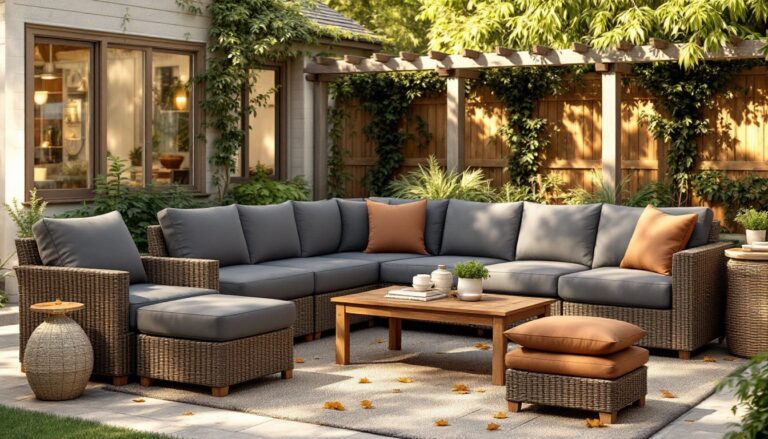
The Briarwood collection features woven details and curved silhouettes, ideal for traditional or cottage-style homes. Landgrave leans modern, with geometric frames and minimalist cushions that work well on urban balconies or mid-century patios. Modesto offers modular sectionals, useful if you need flexible seating that adapts to different gatherings.
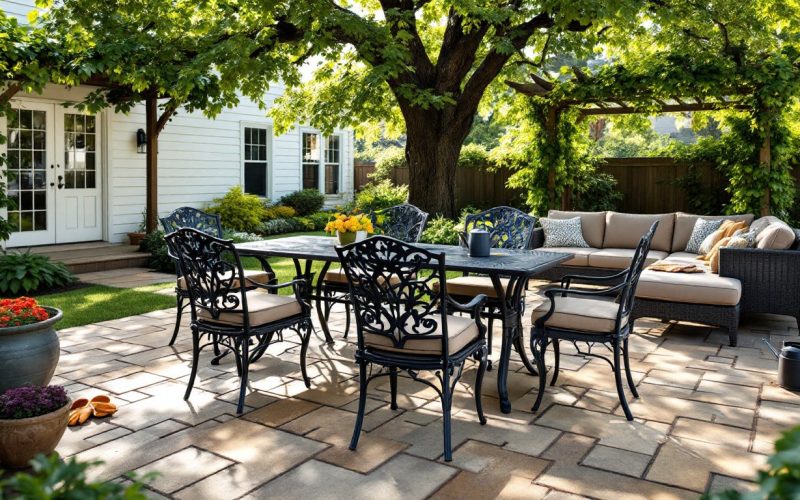
If you’re drawn to vintage design, the Wrought Iron Classics line reproduces patterns from Woodard’s archives, think grape-and-vine motifs or lattice backs. These pieces are statement furniture, not background filler. They’re heavy, ornate, and best suited to covered porches or patios where they won’t be moved frequently.
Many homeowners looking for durable outdoor seating compare Woodard’s craftsmanship to other premium brands, weighing material choices and finish quality against long-term maintenance.
Wrought Iron vs. Aluminum: Choosing Your Material
Wrought iron is Woodard’s heritage material. It’s denser, heavier, and gives furniture a substantial, permanent feel. Wrought iron resists wind better than aluminum and doesn’t rattle or tip easily. But, it’s harder to move and will rust if the powder coating is chipped and not touched up promptly. Expect each dining chair to weigh 25–35 pounds.
Aluminum frames are lighter (chairs typically weigh 12–18 pounds) and naturally rust-proof. Woodard’s aluminum pieces are still hand-welded and powder-coated, so you’re not sacrificing build quality. Aluminum is the better choice if you rearrange furniture seasonally, store pieces in a garage, or live in a coastal area where salt air accelerates corrosion.
Both materials handle freeze-thaw cycles and UV exposure well when properly finished. The decision comes down to weight preference and whether you prioritize portability or heft. For high-wind areas, wrought iron wins. For flexibility and ease of storage, aluminum is the practical pick.
How to Select the Right Woodard Furniture for Your Space
Start by measuring your outdoor area. Width, depth, and clearance matter more than you think. A standard Woodard dining table runs 42–48 inches wide and seats four to six people. Add chairs, and you need at least 3 feet of clearance on all sides for comfortable movement. Sketch your layout on graph paper or use painter’s tape on the deck to visualize footprints before ordering.
Consider your climate and exposure. If your patio is fully covered, cushion fabric and frame finish are less critical. For uncovered spaces in wet or coastal regions, choose aluminum frames and solution-dyed acrylic fabrics (like Sunbrella), which resist mold and fading. Wrought iron is fine under a pergola or awning but requires more upkeep in full-weather exposure.
Think about how you’ll use the space. Dining sets need armless chairs or chairs with low arms so they tuck under the table. Lounge seating benefits from deep cushions and higher backs for comfort during long conversations. Modular sectionals work if you host groups of varying sizes, but they take up more real estate than you’d expect, measure twice.
Don’t ignore weight if you plan to move furniture. Wrought iron stays put, which is great for a fixed dining area but inconvenient if you rearrange for parties. Aluminum pieces are easier to shift but may need tie-downs or weights in gusty locales.
Finally, match the style to your home’s architecture. Ornate wrought iron suits historic or cottage exteriors, while sleek aluminum fits modern or minimalist designs. Mixing styles rarely works outdoors, choose one design language and commit.
Caring for Your Woodard Patio Furniture
Proper maintenance extends the life of Woodard furniture from years to decades. Start with routine cleaning: wash frames monthly with mild dish soap and water using a soft brush or sponge. Avoid abrasive pads or harsh chemicals, which can scratch powder coating.
Inspect frames annually for chips or scratches in the finish. If you find bare metal, touch up immediately with automotive touch-up paint or a powder-coat repair kit. Left untreated, even a small nick can lead to rust on wrought iron or oxidation on aluminum. Woodard sells touch-up kits matched to their finish colors.
Cushion care is straightforward but non-negotiable. Remove cushions during heavy rain or snow, even if the fabric is outdoor-rated. Standing water trapped between fabric and foam promotes mildew. Spot-clean spills with a solution of 1 tablespoon mild detergent per gallon of water. For deep cleaning, many Sunbrella fabrics can be machine-washed on gentle cycle, check tags first.
Store cushions indoors or in a ventilated deck box during winter. If you leave furniture outside year-round, use breathable covers, not vinyl tarps. Vinyl traps condensation, which accelerates rust and fabric mildew. Look for covers with vents and tie-down straps.
For wrought iron in snowy climates, wipe down frames after snowmelt to remove road salt and grit. Salt is corrosive, even to powder-coated surfaces. For ideas on protecting outdoor spaces through changing seasons, garden planning resources offer seasonal maintenance checklists.
If a weld joint loosens or a frame bends, don’t attempt DIY repairs on welded furniture, contact Woodard or a certified welder. Home fixes often weaken structural integrity and void warranties.
Where to Buy and What to Expect Price-Wise
Woodard sells through authorized dealers, not big-box stores. You’ll find their furniture at specialty patio shops, high-end home furnishing retailers, and select online dealers. This distribution model keeps quality control tight but limits your ability to price-shop aggressively.
Expect to pay $400–$700 per dining chair, $1,200–$2,500 for a dining table, and $2,500–$5,000+ for a sectional set with cushions. Prices vary by collection, material, and customization. Wrought iron pieces typically cost 10–20% more than comparable aluminum designs due to material and labor intensity.
Many dealers offer floor models at discount during end-of-season sales (late August through October). You can save 20–40%, but selection is limited to what’s in stock, and custom orders won’t be discounted. If you’re flexible on color and style, this is the best time to buy.
Some dealers provide design services and will visit your home to measure and plan layouts. This is useful for complex spaces or large orders but may come with a consultation fee (often credited toward purchase).
Shipping and assembly: Most Woodard furniture ships unassembled. Expect to bolt table bases, attach chair legs, and tie cushions. Instructions are clear, and you’ll need a socket wrench set or adjustable wrench, no specialized tools. Budget 1–2 hours for a dining set, longer for sectionals.
If buying online, verify the dealer is Woodard-authorized to ensure warranty validity. Unauthorized resellers may sell authentic pieces, but Woodard won’t honor warranties on furniture purchased outside their network. Check Woodard’s website for a dealer locator.
Financing is available through some dealers, typically via third-party credit (12–24 month promotional terms). Read the fine print, deferred interest can sting if you don’t pay off the balance in time. Homeowners tackling larger outdoor living projects often budget patio furniture alongside deck or pergola builds to capture volume discounts or contractor referrals.
Conclusion
Woodard furniture is an investment in quality and durability, not a budget impulse buy. If you value American manufacturing, hand-welded frames, and finishes that last, Woodard delivers. Measure your space, choose materials based on climate and mobility needs, and commit to basic maintenance. Buy from authorized dealers, inspect shipments carefully, and don’t skip touch-ups. Done right, a Woodard set will outlast multiple home trends, and probably your deck boards.