Table of Contents
TogglePicking outdoor furniture isn’t just about finding a chair that looks good in a catalog. It’s about choosing pieces that’ll survive summer storms, resist fading under UV assault, and still feel solid three seasons from now. Ace Hardware has quietly become a go-to source for patio furniture that balances durability with neighborhood-friendly pricing. Whether someone’s furnishing a 10×12 deck or a sprawling stone patio, understanding what Ace stocks, and how to choose smartly, saves money and prevents the disappointment of wobbly frames by July.
Key Takeaways
- Ace Hardware patio furniture offers durability and regional expertise at competitive prices, with locally-owned stores stocking climate-appropriate materials and offering assembly services unavailable elsewhere.
- Choose materials strategically: aluminum and powder-coated steel resist rust, PE wicker outlasts PVC, and solution-dyed acrylic fabrics (like Sunbrella) resist fading far better than printed polyester.
- Measure your space carefully—a 72-inch dining table needs 11–12 feet of lengthwise clearance including 24–36 inches for chair movement, and uneven surfaces require adjustable glides on chair legs.
- Mid-range patio furniture sets ($500–$1,500) offer the best value, delivering 5–7 years of solid use with premium frame materials and fade-resistant cushions—significantly better longevity than budget options.
- Maintain your outdoor furniture by tightening bolts twice annually, cleaning with mild soap, storing cushions indoors during winter, and applying protective coatings to wood annually to prevent weathering and extend lifespan.
Why Choose Ace Hardware for Your Patio Furniture Needs
Ace operates on a different model than big-box chains. Most locations are independently owned, which means inventory reflects regional preferences and climate demands. A coastal Ace might stock more rust-resistant aluminum frames, while a mountain-town store emphasizes cold-weather storage solutions.
The real advantage? Local expertise. Staff typically know which cushion fabrics handle afternoon sun without bleaching, which table heights pair with standard chair seat depths (usually 17–18 inches), and whether a particular frame style tips easily on uneven concrete. That beats scrolling through reviews from climates nothing like yours.
Ace also offers assembly services at many locations, worth considering for multi-piece dining sets with tricky bolt patterns. And if a chair leg cracks in year two, walking into a neighborhood store beats navigating a return through a distant warehouse. Warranty claims and replacement hardware move faster when there’s a face behind the counter.
Top Patio Furniture Collections Available at Ace Hardware
Ace’s 2026 lineup skews toward modular seating and mixed-material dining sets. Expect to find sectionals with moveable ottomans, bistro sets with folding capabilities, and conversation sets built around fire pit tables (check local fire codes before lighting anything).
Popular collections include:
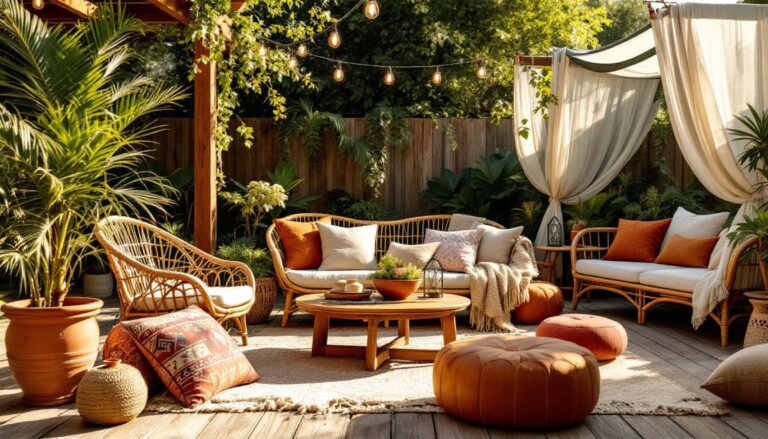
- Resin wicker over steel frames: Mimics natural wicker without the rot. Look for powder-coated steel underneath, bare steel rusts through in two seasons near saltwater or high humidity.
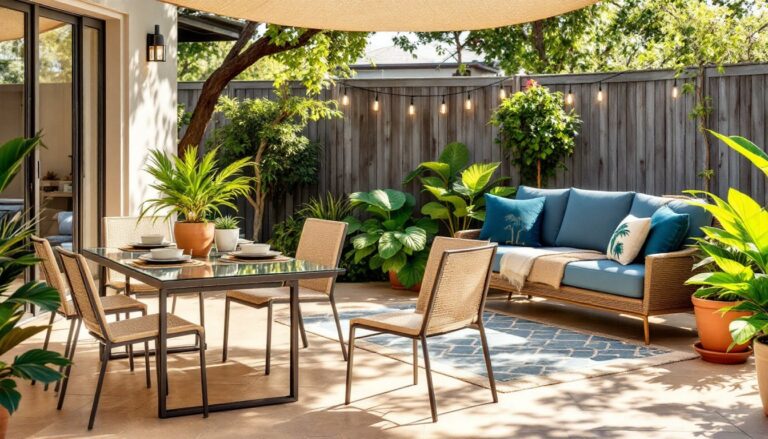
- Sling chairs with aluminum frames: Breathable textilene fabric dries fast after rain. Frames should be welded, not bolted, bolted joints loosen with temperature swings.
- Poly lumber Adirondacks: Made from recycled HDPE plastic. Heavier than wood (a good thing: they don’t blow over), and color runs through the material so scratches don’t show.
- Teak and acacia hardwood sets: Real wood requires annual teak oil or sealer applications. Without it, expect silvery-gray weathering within six months. Not damage, just aesthetics.
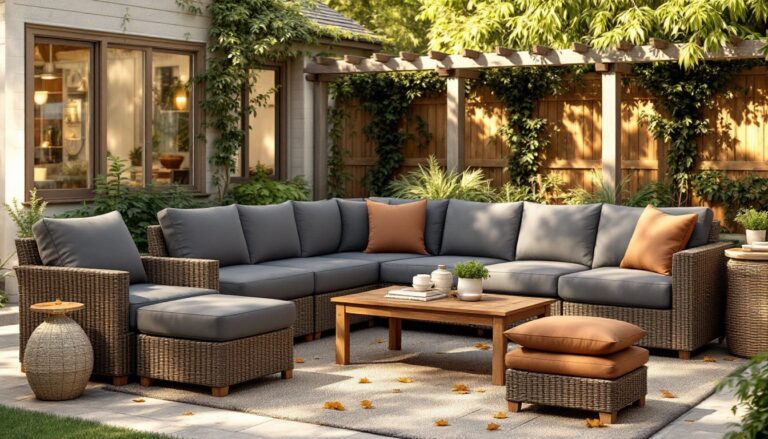
Many Ace stores now carry outdoor sectionals with storage ottomans, useful for stashing cushions when storms roll in. Check that storage lids have drainage holes: trapped moisture breeds mildew.
Materials and Durability: What to Expect
Aluminum is the workhorse for frames. It won’t rust, weighs less than steel (easier to move for mowing), but dents if someone drops a ladder on it. Powder coating adds color and a bit of ding resistance, expect minor chips after a few seasons.
Steel (powder-coated or galvanized) handles weight better. A steel dining table won’t wobble under a full Thanksgiving spread. But any coating scratch exposes bare metal to rust. Touch up chips immediately with rust-inhibiting spray paint.
Wicker (resin) lasts 5–7 years in full sun before UV breaks down the polymer and it starts flaking. PE (polyethylene) wicker outlasts PVC wicker. If the tag doesn’t specify, ask, or expect to replace sooner.
Wood (teak, eucalyptus, acacia) needs the most maintenance. Apply penetrating oil (not varnish) annually. Varnish traps moisture and peels. Acacia is budget-friendly but less dense than teak: it’ll weather faster and may develop small cracks. That’s cosmetic unless water gets into joints and freezes.
Fabric matters as much as frames. Solution-dyed acrylic (like Sunbrella) resists fading far better than printed polyester. Cushions should have quick-dry foam cores, standard upholstery foam stays soggy for days and mildews. Zippers let you remove covers for washing, which extends life significantly.
Tempered glass tabletops (5mm minimum thickness) handle temperature swings and impacts better than standard glass, but they still shatter if something heavy drops corner-first. Some folks swap glass for mesh metal tops, no breakage risk, and rain drains through.
How to Select the Perfect Patio Furniture for Your Space
Measure before browsing. A common mistake: buying a 72-inch dining table for a 10-foot-wide deck. Add 24–36 inches around the table for chair clearance when people stand. That 72-inch table actually needs about 11–12 feet of space lengthwise.
For seating depth, standard outdoor chairs run 24–30 inches deep. Deep-lounge chairs hit 36+ inches. On a narrow patio, opt for armless or sling-back chairs, they tuck closer to tables.
Material choice depends on storage. Got a shed or garage? Wood and cushioned pieces survive winters better indoors. Leaving everything out year-round? Stick with all-weather wicker, aluminum, or poly lumber. Covers help, but wind lifts them and trapped condensation causes more mold than exposure.
Sun exposure dictates fabric. Full southern exposure? Go with solution-dyed acrylics rated 1,500+ hours UV resistance. Covered patios or shade? Standard outdoor polyester works and costs less.
Consider local climate specifics. High winds? Heavier furniture or ground anchors for umbrellas prevent tip-overs. Coastal areas? Avoid exposed steel and opt for marine-grade hardware (stainless steel bolts). Desert heat? Dark cushions get too hot to sit on, choose lighter colors.
If the patio surface is uneven concrete or pavers, look for adjustable glides on chair legs. A wobbling chair on unlevel ground isn’t a defect, it’s physics. Some DIYers use outdoor living solutions to create stable, stylish setups even on imperfect surfaces.
Maintenance Tips to Extend Your Patio Furniture’s Lifespan
Clean regularly with mild soap and water. Skip pressure washers on wicker, they tear the weave. For aluminum and steel, a car wash mitt and bucket work fine. Rinse thoroughly: soap residue attracts dirt.
Tighten bolts twice a season. Temperature swings expand and contract metal, loosening hardware. Carry a socket set or adjustable wrench during spring and fall checks. Most outdoor furniture uses 10mm or 13mm bolts.
Cushion care: Brush off debris weekly. Hose down monthly. For mold spots, scrub with 1:4 bleach-to-water solution (wear gloves), rinse thoroughly, and air-dry in sun. UV kills residual spores. Store cushions indoors or in deck boxes with ventilation during winter. Sealed plastic bins trap moisture and guarantee mildew.
Wood furniture needs teak oil or penetrating sealer once a year. Sand lightly with 220-grit paper first if the surface feels rough. Two thin coats beat one thick coat, excess oil just sits on the surface and gets sticky. Let dry 24 hours between coats.
Touch up frame scratches immediately. For powder-coated aluminum or steel, use rust-inhibiting spray paint in a close color match. Bare metal rusts fast in humidity, and research on seasonal outdoor care confirms this accelerates frame degradation.
Wicker repair: Small breaks can be zip-tied from underneath as a temporary fix. For visible areas, matching resin wicker strand is available online, use a heat gun to soften and weave in new material. It’s fiddly but beats replacing a whole chair.
Winter prep: If leaving furniture out, flip chairs upside down so water doesn’t pool in seats. Remove glass tabletops and store vertically indoors, freezing water in frame channels can crack joints. Umbrellas should come down: wind shear snaps ribs even when closed.
Budget-Friendly Options vs. Premium Sets: Making the Right Investment
Entry-level sets ($200–$500 for a bistro or small seating group) typically use thin-gauge steel frames with PVC wicker or printed fabric. These last 2–3 seasons with good care. Expect some frame flex under weight and fabric fading by year two. They’re fine for renters or anyone testing outdoor living before committing.
Mid-range collections ($500–$1,500 for a four-piece conversation set or six-seat dining set) upgrade to thicker aluminum or powder-coated steel, PE wicker, and solution-dyed fabrics. Frames feel sturdier, cushions resist fading, and hardware is usually stainless steel. Expect 5–7 years of solid use. This is the sweet spot for most homeowners.
Premium sets ($1,500–$4,000+) bring solid teak, marine-grade aluminum, hand-woven wicker, and Sunbrella-grade fabrics. Joinery is often mortise-and-tenon or welded rather than bolted. Cushions have high-density foam cores that recover shape after sitting. With maintenance, these last 10+ years. Worth it if the patio is a primary living space or the home’s long-term.
Price per year is a better metric than sticker shock. A $300 set lasting three years costs $100/year. A $1,200 set lasting eight years costs $150/year but delivers better comfort and resale value. Factor in whether you’ll move soon, cheaper makes sense if the next place has different space or style needs.
Ace’s return policies vary by location (independent ownership), so ask about floor model discounts in late summer. August through September sees clearance pricing as stores make room for holiday inventory. Some outdoor entertaining ideas emphasize investing in quality core pieces and rotating budget accent items seasonally.
Warranty matters. A one-year frame warranty signals budget-grade. Look for three-year frame, one-year fabric minimums. Premium lines offer five-year plus coverage. Read the fine print, many exclude UV fading and “normal wear,” which is most of what happens outdoors.
Conclusion
Ace Hardware’s mix of regional inventory, hands-on staff, and range from budget to premium makes it a practical stop for patio furniture. Prioritize frame material and fabric durability over looks, measure spaces before buying, and don’t skip maintenance. A well-chosen set, properly cared for, turns a concrete slab into a three-season living room, and that’s worth more than any showroom photo.