Table of Contents
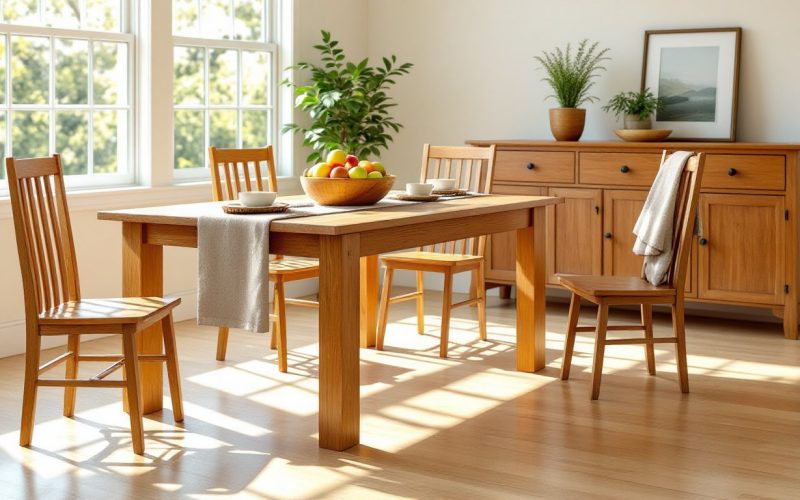
ToggleAmish dining room furniture isn’t just furniture, it’s an investment in heirloom-quality craftsmanship that outlasts particleboard trends by decades. Built with mortise-and-tenon joinery, solid hardwood, and hand-rubbed finishes, these pieces arrive ready to handle daily family dinners and last through generations. No veneer, no shortcuts, no mystery adhesives. Just wood, traditional joinery, and skill passed down through apprenticeships. If a homeowner is weighing options between mass-produced sets and custom Amish work, understanding what sets these pieces apart, and how to choose the right style, wood, and size, makes the difference between a purchase and a legacy.
Key Takeaways
- Amish dining room furniture uses mortise-and-tenon joinery and solid hardwood to create structurally sound pieces that tighten over time and last for generations without wobbling or separation.
- Hand-rubbed finishes applied in multiple coats are more durable and easier to repair than factory spray finishes, allowing simple sand-and-recoat maintenance without mystery layers to match.
- Select from popular styles—Mission for modern homes, Shaker for minimalist spaces, and Traditional for formal settings—all built with identical joinery but tailored to different architectural aesthetics.
- Wood choice affects both durability and budget: oak ($1,500–$3,000) handles high-traffic use, cherry darkens beautifully over time, maple resists dents best, and walnut ($4,000–$6,000+) offers premium aesthetics.
- Proper sizing requires measuring room clearance (36 inches minimum on sides for chairs), choosing appropriate table height (30 inches standard) and width (24 inches per person), and deciding between pedestal, trestle, or four-leg bases.
- Maintain your Amish furniture with simple care: dry microfiber cloths only, placemats and coasters for protection, humidity control (35–55%), and occasional wax every 6–12 months to keep the finish protected and beautiful.
What Makes Amish Dining Room Furniture Unique?
Amish furniture construction relies on mortise-and-tenon joinery, dovetail drawers, and wooden pegs instead of metal fasteners or glue-dependent assembly. Each joint is cut to fit precisely, creating mechanical locks that tighten over time as the wood settles. This isn’t decorative, it’s structural integrity that allows tables to support heavy loads without wobbling or separating at the seams.
Most Amish craftsmen work without electricity in their workshops, using pneumatic or hydraulic tools powered by compressed air. This limits production speed but increases attention to detail. Each piece is built by a single craftsman or a small team, not an assembly line. That means consistency in technique and accountability for the finished product.
Materials matter. Amish builders source kiln-dried hardwoods, typically oak, cherry, maple, or walnut, milled to specific moisture content (6-8%) to prevent warping or cracking after delivery. They avoid composite materials, laminates, and veneer. What arrives is solid wood, edge to edge, with natural grain variation that makes each piece distinct.
Finishes are applied by hand in multiple coats: stain, sealer, and topcoat, with sanding between layers. This process takes days, not hours, and results in a durable surface that resists water rings, scratches, and daily wear far better than factory spray finishes. Repair is straightforward, sand and recoat, because there’s no mystery film to match.
Popular Amish Dining Room Furniture Styles
Mission (Arts and Crafts) is the most recognizable Amish style. Straight lines, exposed joinery, and minimal ornamentation define the look. Tables feature thick, square legs and breadboard ends (cross-grain boards at the table ends that allow the top to expand and contract). Chairs have vertical slats and flat arms. This style suits modern or minimalist interiors and pairs well with neutral palettes.
Shaker design strips down even further. Tapered legs, understated proportions, and a focus on function over form. Shaker dining sets often include ladder-back chairs and simple trestle or pedestal tables. The aesthetic works in small spaces or homes where the furniture shouldn’t compete with architectural details.
Traditional (Queen Anne, Chippendale influences) brings curved legs, scrollwork, and more decorative elements. These pieces lean formal and work in Colonial, Victorian, or classic dining rooms. Expect cabriole legs, turned spindles, and carved details, still built with the same joinery, but styled for a different era.
Many contemporary woodworking project plans draw inspiration from Amish techniques, blending clean lines with functional joinery that stands up to real use. Homeowners often choose a style based on existing architecture: Mission for bungalows or ranch homes, Shaker for modern farmhouses, Traditional for older homes with period details.
Choosing the Right Wood for Your Amish Dining Set
Oak (red or white) is the workhorse. Hard, durable, and moderately priced, it handles daily abuse without denting easily. Red oak has a warm, pinkish tone and pronounced grain: white oak is cooler and more neutral. Both take stain well and age gracefully. Oak is the go-to for families with kids or high-traffic dining rooms.
Cherry starts light, almost blonde, and darkens to a rich, reddish-brown over years of UV exposure. It’s softer than oak but still plenty durable, with a fine, smooth grain. Cherry works in formal settings or homes where the furniture is a focal point. The color shift is part of the appeal: expect noticeable change within the first year.
Maple (hard maple) is the densest option. Pale, with subtle grain, it’s ideal for light finishes or natural looks. Maple resists dents and scratches better than any other common hardwood, making it a smart choice for heavy use. It doesn’t absorb stain as evenly as oak, so natural or light finishes show it off best.
Walnut is the premium pick. Dark, chocolate-brown heartwood with occasional lighter sapwood streaks. It’s expensive, moderately hard, and stunning. Walnut pairs with mid-century or modern interiors and doesn’t need stain, just a clear finish to bring out the natural color.
Wood selection affects both appearance and budget. Oak runs $1,500–$3,000 for a table and six chairs: walnut can push $4,000–$6,000+ for the same set, depending on size and shop. All four species are stable and long-lasting when properly dried and finished.
How to Select the Perfect Amish Dining Table Size
Standard dining table height is 30 inches. Chairs should sit 18 inches high (seat to floor) to allow 12 inches of clearance for thighs. Counter-height tables (36 inches) and bar-height tables (42 inches) require taller seating but work in open kitchens or casual dining spaces.
For width, allow 24 inches per person along the table edge. A 36-inch-wide table seats two on each long side: 42 inches is more comfortable for place settings with serving dishes in the center. Length depends on seating: a 60-inch table fits six people (three per side), 72 inches seats eight, and 96 inches accommodates ten.
Extension tables use leaves, removable boards stored separately or integrated as self-storing leaves. Standard leaves add 12–18 inches per leaf. A 60-inch table with two 12-inch leaves extends to 84 inches. Self-storing leaves fold into the table base but add weight and complexity to the mechanism. Removable leaves require storage space but keep the table lighter.
Shape matters in small rooms. Pedestal tables (single central support) maximize legroom and chair placement compared to four-leg tables. Trestle tables (two end supports with a stretcher) offer the same benefit but feel more substantial. Four-leg tables are traditional but can limit seating at the ends.
Measure the room: leave 36 inches of clearance on all sides for chair pullout and traffic flow. A 60-inch table needs a room at least 132 inches long (60 + 36 + 36). Tighter spaces can get away with 30 inches of clearance, but it feels cramped.
Caring for and Maintaining Your Amish Furniture
Daily cleaning requires a dry or barely damp microfiber cloth. No all-purpose sprays, no Pledge, no silicone-based polishes. Those leave residue that builds up and dulls the finish over time. For sticky spots, a cloth dampened with water and a drop of mild dish soap works, wipe immediately with a dry cloth.
Protect the surface with placemats, trivets, and coasters. Even hand-rubbed finishes aren’t invincible. Hot pans, wet glasses, and sharp objects can mar the topcoat. If the finish is damaged, the repair is straightforward: lightly sand the affected area with 220-grit sandpaper, wipe clean, and apply a matching finish (usually polyurethane or lacquer). Most Amish shops provide touch-up kits or refinishing instructions with the furniture.
Humidity control is critical. Solid wood expands in summer (high humidity) and contracts in winter (low humidity from heating). Keep indoor humidity between 35–55% to minimize seasonal movement. Expect minor gaps in breadboard ends or table leaves during winter, this is normal. Avoid placing furniture near heating vents, radiators, or direct sunlight, which accelerate drying and cracking.
Every 6–12 months, apply a furniture wax or polish made for wood (not silicone-based). This adds a protective layer and restores sheen. Rub in with a soft cloth, let it haze, then buff. For oiled finishes (less common but used by some builders), reapply the same oil (tung, linseed, or Danish oil) annually to maintain water resistance.
Many rustic renovation projects incorporate Amish pieces as anchor furniture, relying on the durability and low-maintenance nature of solid hardwood to handle the demands of active households.
Where to Buy Authentic Amish Dining Room Furniture
Direct from Amish workshops in Pennsylvania, Ohio, and Indiana offers the widest customization and best pricing. Buyers visit showrooms, select wood and finish samples, and place orders directly with the craftsman. Lead times run 8–16 weeks depending on complexity and shop backlog. Shipping is typically arranged by the shop using specialized furniture freight companies, expect $200–$600 depending on distance and piece size.
Amish furniture retailers (brick-and-mortar and online) act as intermediaries, representing multiple workshops. They handle logistics, provide showrooms in non-Amish areas, and streamline ordering. Prices are 10–20% higher than direct purchase, but the convenience and customer service can justify the markup. Reputable retailers offer detailed customization tools, wood samples by mail, and white-glove delivery.
Custom furniture galleries and local shops sometimes carry Amish-built pieces alongside other makers. Quality varies, verify the builder’s name and ask for construction details (joinery type, wood source, finish process). If the seller can’t answer, it’s not authentic Amish work.
Red flags: “Amish-style” or “Amish-inspired” usually means mass-produced overseas furniture mimicking the aesthetic without the joinery or materials. Look for shop names, builder signatures, or photos of the actual workshop. Authentic pieces come with care instructions and often a maker’s mark burned or stamped into the underside.
Options like quality dining furniture can provide alternative routes to solid construction and timeless design. Similarly, buyers seeking versatile room furnishings should compare traditional craftsmanship with modern manufacturing to find the best fit for their needs and budget.
Conclusion
Amish dining room furniture represents a straightforward value proposition: pay more upfront for construction that lasts generations, requires minimal maintenance, and can be refinished indefinitely. The joinery, materials, and finish quality justify the price for homeowners who prioritize longevity over trends. Choose the right wood, measure carefully, and buy from a verified source, these pieces don’t need replacing, only a damp cloth and occasional wax.