Table of Contents
ToggleMost living rooms have at least one dead corner, the spot where two walls meet and furniture just never seems to fit quite right. These awkward angles eat up square footage without contributing much to the room’s function or flow. But corners don’t have to be wasted space. With the right furniture choices, those neglected zones can become functional storage, comfortable seating, or eye-catching focal points. This guide covers seven practical corner furniture solutions that work in real-world living rooms, from compact apartments to sprawling family spaces.
Key Takeaways
- Living room corner furniture transforms wasted space into functional areas—corners represent 15-20% of a room’s wall space and are often the last areas homeowners address.
- L-shaped sectionals and corner sofas anchor rooms effectively in medium to large living rooms (200+ square feet), while compact loveseat sectionals work better for smaller spaces without sacrificing wraparound comfort.
- Measure both walls forming the corner and ensure at least 24-36 inches of clearance on each side before selecting corner furniture to allow comfortable access and proper function.
- Corner shelving units, floating shelves, and étagères provide vertical storage and display solutions that work in contemporary, farmhouse, or traditional styles without requiring much floor space.
- For small living rooms, creative alternatives like triangular corner tables, ladder shelves, storage ottomans, and corner accent chairs deliver functionality without overwhelming tight quarters.
- Proper lighting, area rugs, vertical elements, and the 60-30-10 color rule help integrate corner furniture seamlessly with existing décor while preventing dark, neglected-looking spaces.
Why Corner Furniture Is the Secret to Maximizing Your Living Room
Corners represent roughly 15-20% of a room’s total wall space, yet they’re often the last areas homeowners address when furnishing. That’s a lot of unused real estate in rooms where every square foot counts.
Purpose-built corner furniture solves two problems at once. First, it fills space that would otherwise sit empty or collect dust. Second, it pulls the eye around the room’s perimeter, creating a more complete and intentional layout. This matters especially in smaller living rooms where floating furniture in the center can make the space feel cramped.
From a practical standpoint, corner pieces can also improve traffic flow. A well-placed corner shelf or sectional defines walkways and creates natural boundaries between zones, say, between a seating area and a home office nook. The key is matching the furniture type to the corner’s dimensions and the room’s primary function.
Before shopping, measure both walls that form the corner, noting any baseboards, outlets, or HVAC vents that might interfere with placement. Most corner furniture needs at least 24-36 inches of clearance on each wall to function properly and allow for comfortable access.
Best Types of Corner Furniture for Every Living Room Style
Corner Sofas and Sectionals
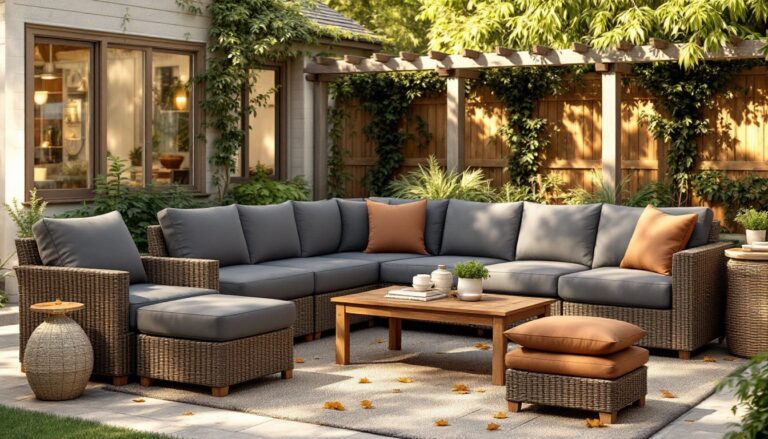
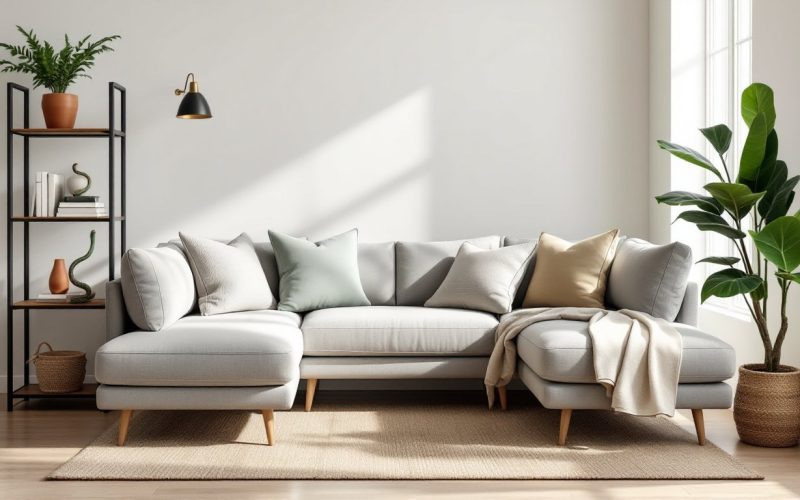
L-shaped sectionals are the workhorses of corner seating. They anchor a room, provide ample seating without blocking sightlines, and typically measure 90-120 inches along the longer side and 60-90 inches on the shorter leg. This configuration works well in medium to large living rooms (200+ square feet).
For smaller spaces, consider a compact loveseat sectional or a chaise-style corner sofa. These scaled-down versions occupy 70-90 inches per side and still deliver the wraparound comfort of a full sectional. Look for units with removable legs or low-profile frames if you’re working with tight clearances.
Modular sectionals offer the most flexibility. Individual pieces connect via brackets or clips, so you can reconfigure the layout when you move or rearrange. Expect to pay more upfront, but the adaptability pays off over time. Many DIYers appreciate that modular units fit through narrow doorways and stairwells more easily than one-piece sofas.
One often-overlooked detail: corner sectionals create a natural conversation zone. Position the corner apex toward the room’s center, and suddenly everyone seated has eye contact without craning their necks. That’s basic spatial psychology at work, and it costs nothing extra.
Corner Shelving Units and Display Cabinets
When seating isn’t the priority, corner shelving turns vertical space into functional storage or display area. Standard corner shelf units range from 18-30 inches wide per side and 60-72 inches tall, fitting neatly without overwhelming the wall.
Floating corner shelves, mounted directly to wall studs with concealed brackets, work beautifully in contemporary or minimalist spaces. Install them at staggered heights (12-16 inches between shelves) to display books, plants, or decor. Use a stud finder and #10 wood screws driven at least 1.5 inches into the stud for secure mounting. Drywall anchors alone won’t support much weight in a corner configuration due to the angled load.
For traditional or farmhouse styles, freestanding corner cabinets with glass doors provide enclosed storage while keeping items visible. These units typically measure 24-30 inches per side and include adjustable shelving. They’re ideal for displaying glassware, collectibles, or books while keeping dust at bay.
Corner étagères, open-frame shelving units, split the difference between floating shelves and cabinets. They offer more storage than floating shelves but maintain the airy feel of open shelving. Look for metal or wood frames with 5-7 tiers for maximum utility. Homeowners often pair these with modern shelving concepts to create cohesive design schemes.
How to Choose the Right Corner Furniture for Your Space
Start with function, not aesthetics. Ask what the room needs most: more seating, storage, display space, or something else entirely. A family room with kids and pets has different requirements than a formal sitting room used twice a year.
Next, measure carefully. Nominal dimensions listed online often don’t account for arms, legs, or protruding hardware. Add 2-4 inches to manufacturer specs when planning placement, especially if the corner sits near a doorway or window.
Consider the room’s scale. A massive sectional in a 150-square-foot living room will dominate the space and make movement awkward. Conversely, a dainty corner shelf in a 300-square-foot great room will look like an afterthought. The furniture should feel proportional to the room’s volume, not just its floor area.
Traffic patterns matter more than most people realize. Leave at least 24-30 inches of clearance between the furniture’s edge and the main walkway. If the corner sits along a primary path between rooms, opt for rounded edges or smaller-scale pieces to prevent collisions.
Material durability becomes critical in corners, which are harder to clean and maintain than furniture in open areas. For sectionals, choose tightly woven fabrics or leather that resist pilling and can be spot-cleaned easily. For shelving, avoid particleboard in favor of solid wood or quality plywood with edge banding, it holds up better to bumps and moisture.
Finally, think about the room’s existing furniture layout and flow. Corner pieces should complement other furniture, not compete with it. If you’ve already got a bold statement sofa along one wall, a simple corner shelf might be the better choice than another large upholstered piece.
Creative Corner Furniture Ideas for Small Living Rooms
Small living rooms demand creative thinking. Traditional corner solutions like full-size sectionals can overwhelm tight quarters, but scaled alternatives deliver function without the bulk.
Corner accent chairs with a small side table create a cozy reading nook in spaces as small as 36 x 36 inches. Choose armless or low-arm chairs to minimize visual weight. Add a swing-arm wall lamp instead of a floor lamp to save precious floor space.
Triangular corner tables fit where rectangular pieces can’t. These wedge-shaped tables, typically 20-24 inches per side, work as end tables, plant stands, or even compact home office desks. Some DIYers build custom versions using ¾-inch plywood and hairpin legs for a modern look that costs under $50 in materials.
Ladder shelves lean against the corner at a 60-75 degree angle, providing 3-5 tiers of storage without requiring mounting hardware. They’re ideal for renters who can’t drill into walls and take up less visual space than traditional bookcases. Position them so the top leans slightly away from the corner for stability.
For multipurpose living spaces, corner storage ottomans serve triple duty as seating, storage, and footrests. Look for units with lift-top lids and interior volumes of at least 3-4 cubic feet. They’re perfect for stashing throw blankets, remote controls, or kids’ toys.
Some homeowners are even incorporating space-saving furniture strategies that combine corner placement with multifunctional design, like Murphy beds that fold into corner cabinets or extending dining tables built into corner nooks.
One unconventional approach: install a corner-mounted floating desk (16-20 inches deep) that doubles as a console table. When not in use as a workspace, it holds lamps, books, or decor. When needed, pull up a stool and you’ve got a functional home office that disappears into the background.
Styling Tips: Making Corner Furniture Work With Your Decor
Even the most functional corner furniture can look out of place if it clashes with the room’s overall design. A few strategic styling moves make the difference between a corner that feels intentional and one that looks like an afterthought.
Layer lighting to prevent dark corners. Corners naturally receive less ambient light than other areas, so supplement with table lamps, floor lamps, or wall sconces. Use 60-75 watt equivalent LED bulbs (or 800-1100 lumens) to match the brightness of other zones in the room.
Anchor with area rugs. If your corner furniture includes seating, extend an area rug under at least the front legs of the sofa or chairs. This visually connects the corner to the rest of the room rather than letting it float in isolation. For corner shelving, a small accent rug underneath softens the look and protects flooring.
Add vertical interest. Tall plants, floor-to-ceiling curtains, or vertically oriented artwork draw the eye upward and make corners feel less like dead ends. Fiddle leaf figs and snake plants are popular choices that tolerate the lower light levels common in corners.
Create visual balance. If you’ve placed a large sectional in one corner, balance it with a substantial piece on the opposite side of the room, a bookcase, media console, or tall cabinet. This prevents the room from feeling lopsided.
Use the 60-30-10 color rule. Let your corner furniture represent either your dominant color (60%), secondary color (30%), or accent color (10%) depending on its size and impact. A large corner sectional typically falls into the 60% category, while a small shelf or accent chair can safely introduce a bold accent hue.
Many homeowners find inspiration from budget-conscious renovation projects that maximize corner spaces without very costly. The key is treating corners as intentional design opportunities rather than leftover space to fill.
One final tip: don’t overstuff corner shelves or cabinets. Leave 30-40% of the space empty to avoid a cluttered look. Corners already have visual complexity due to their angles: too many objects amplify that busy feeling. Edit down to your favorite pieces and let them breathe.