Table of Contents
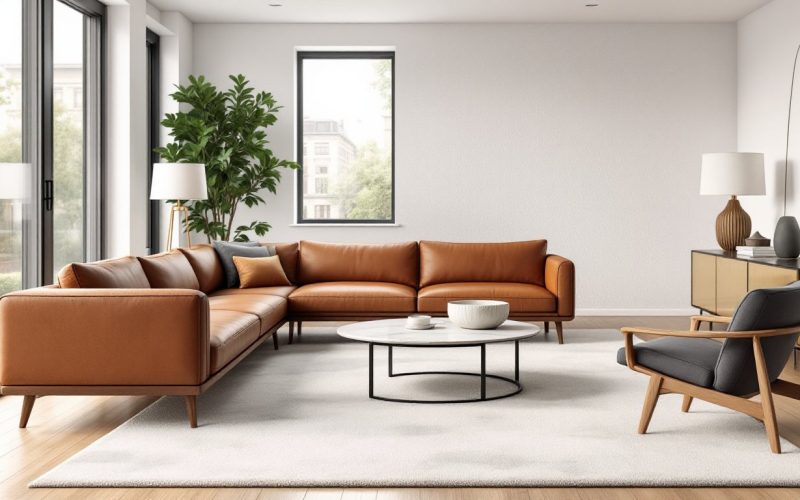
ToggleLuxury modern living room furniture isn’t about throwing together expensive pieces and hoping they work. It’s about creating a cohesive space where clean lines meet craftsmanship, where every element serves both form and function. This guide breaks down the essentials of designing a high-end contemporary living room, from selecting statement pieces to understanding materials and arranging furniture for visual impact. Whether you’re furnishing from scratch or upgrading existing pieces, you’ll learn what sets luxury modern furniture apart and how to make it work in your space.
Key Takeaways
- Luxury modern living room furniture is defined by three core qualities: premium material selection (full-grain leather, solid hardwood frames, natural stone), precise design execution with clean lines, and superior construction methods like eight-way hand-tied springs and mortise-and-tenon joinery.
- Investment in quality seating like statement sofas and sectionals pays off through longevity, with a $3,000 well-constructed piece outlasting three $1,000 replacements—look for certifications and published weight capacities as markers of luxury quality.
- Material combinations in coffee tables and accent tables create visual interest; pair walnut with blackened steel, marble with brass, or glass with solid wood, and ensure proper proportions (16–18 inches from sofa, two-thirds sofa length) for both aesthetics and function.
- Stone surfaces like marble require regular sealing and immediate cleanup, while engineered quartz offers durability with minimal maintenance—choose based on your lifestyle and willingness to maintain high-end finishes.
- Arrange luxury modern furniture using floating layouts with a clear focal point, maintain proper traffic flow (30–36 inches for walkways), and layer different furniture heights to prevent a flat, uninspired look.
- Test furniture scale before purchasing by outlining dimensions with painter’s tape on the floor, as oversized pieces that look modest in showrooms can overwhelm residential spaces and compromise the intentional design of your living room.
What Defines Luxury Modern Living Room Furniture?
Luxury modern furniture distinguishes itself through three key characteristics: material quality, design execution, and construction methods.
Material Quality: Expect full-grain leather, not bonded or split leather. Solid hardwood frames (kiln-dried oak, walnut, or ash) instead of particleboard. Metals are typically stainless steel, brushed brass, or powder-coated aluminum, not plated finishes that chip. Natural stone tops (marble, granite, travertine) are cut from single slabs, not composite tiles.
Design Execution: Modern luxury pieces follow a “less is more” philosophy with deliberate proportions and minimal ornamentation. Seams align precisely. Welds are ground smooth and invisible. Joinery uses mortise-and-tenon or dovetail construction rather than staples and glue. Many contemporary furniture designs feature geometric forms that balance visual weight without looking heavy.
Construction Standards: Quality manufacturers use eight-way hand-tied springs in seating, not sinuous (zigzag) springs. Cushions contain high-density foam cores (2.0+ density rating) wrapped in down or synthetic down. Wood joints are corner-blocked and reinforced. Drawer boxes use solid wood with dovetail joints, not stapled plywood.
The difference shows in longevity. A $3,000 sectional with proper construction will outlast three $1,000 replacements. Check for maker’s marks, certifications (FSC for wood, OEKO-TEX for textiles), and published weight capacities, luxury brands don’t hide their specs.
Essential Pieces for a Luxury Modern Living Room
Statement Sofas and Sectionals
The sofa anchors every living room, and in luxury modern design, it’s where you invest heavily.
Scale and Proportion: Standard sofas measure 84–96 inches long, but modern designs often push to 100–120 inches to create a grounded, substantial presence. Seat depth typically runs 22–24 inches, deeper than traditional styles for a more relaxed posture. Back height ranges from 30–36 inches at the tallest point.
Frame Construction: Look for kiln-dried hardwood frames (moisture content below 12%). The frame should have corner blocks glued and screwed at all joints. Avoid frames made from softwoods like pine, which can warp. Lifetime warranties on frames are standard for luxury pieces.
Seating Support: Eight-way hand-tied springs remain the gold standard, using premium coil springs tied in eight directions for even support. Some manufacturers now use high-gauge sinuous springs (11-gauge or thicker) with reinforced clips as a quality alternative. Both methods outperform webbing or platform bases.
Upholstery Options: Top-grain or full-grain leather develops a patina but requires maintenance (conditioning every 6–12 months). Performance fabrics like Crypton or Sunbrella offer stain resistance without the plastic feel of older synthetics. Linen and wool blends suit low-traffic rooms but show wear faster. When selecting items for a cohesive look, consider how different room furniture arrangements affect traffic flow before committing to oversized sectionals.
Modular vs. Fixed Sectionals: Modular sectionals use hidden brackets or clips to join sections, allowing reconfiguration but creating slight gaps at seams. Fixed sectionals are built as single units with seamless upholstery but lack flexibility if you move or redesign.
Designer Coffee Tables and Accent Tables
Modern luxury coffee tables balance sculptural presence with practical surface area.
Material Combinations: Mixing materials creates visual interest. Popular pairings include walnut tops with blackened steel bases, marble tops with brass frames, or glass tops with solid wood bases. Avoid plastic composite “wood-look” finishes, they photograph well but feel cheap in person.
Functional Dimensions: Coffee tables should sit 16–18 inches from sofa edges and measure two-thirds the sofa’s length. Standard height is 16–18 inches to align with seat cushions. Storage options (drawers, shelves) add function but can compromise the clean lines of minimalist designs.
Accent Table Strategy: Side tables flanking a sofa should be within 2 inches of arm height for comfortable reach. C-tables that slide under furniture work well for small spaces. Console tables behind sofas add display space without blocking sightlines, keep them 30–36 inches tall and 10–14 inches deep.
Weight and Stability: Solid marble or stone tables can exceed 150 pounds, factor in floor load capacity for upper-level rooms (typically 40 PSF for residential). Ensure bases are wide enough to prevent tipping: a general rule is the base should span at least 60% of the top’s width.
Choosing the Right Materials and Finishes
Material choices drive both aesthetics and maintenance requirements in luxury modern furniture.
Wood Species and Finishes: Walnut offers rich brown tones with dark grain patterns and natural durability (Janka hardness 1,010). White oak (Janka 1,360) provides lighter tones and resists moisture better than red oak. Ash and teak work well for Scandinavian-inspired modern pieces. Finishes range from matte lacquer (which shows fewer fingerprints) to high-gloss polyurethane (more formal but requires frequent cleaning). Oil finishes penetrate wood for a natural look but need reapplication annually.
Metal Frame Options: Stainless steel (grade 304 or 316) resists corrosion and maintains a consistent finish. Powder-coated steel offers color options and scratch resistance: look for coatings at least 2–3 mils thick. Brass and bronze develop a patina over time, specify if you want a living finish (natural aging) or a sealed finish (preserved shine). Avoid chrome plating under 25 microns: it chips easily around welds and corners.
Stone Surfaces: Marble (Carrara, Calacatta) is porous and stains easily, requires sealing every 6–12 months and immediate cleanup of acidic spills (wine, citrus). Quartzite offers marble’s look with granite’s durability but costs 20–30% more. Granite resists stains and heat but has a busier visual pattern. Engineered quartz (Caesarstone, Silestone) provides consistent coloring and requires no sealing, though it can discolor under prolonged UV exposure. Many high-end pieces, similar to Porada furniture designs, incorporate stone accents for luxury appeal.
Leather Grades: Full-grain leather retains the hide’s natural surface with visible grain and imperfections, develops the richest patina. Top-grain leather has the surface lightly buffed to remove blemishes, then finished with a protective coating, more uniform appearance. Corrected-grain leather is heavily sanded and embossed with an artificial grain pattern, avoid this in luxury furniture. Aniline-dyed leather absorbs dye into the hide for rich color but shows scratches: semi-aniline adds a light protective coating for better stain resistance.
Glass Types: Tempered glass is four times stronger than standard glass and shatters into small, less dangerous pieces, required for tabletops in most residential applications. Specify at least 3/8-inch to 1/2-inch thickness for coffee tables. Edges should be polished (smooth and clear) or beveled (angled edge) rather than seamed (slightly rounded). According to design experts at Architectural Digest, smoked or tinted glass hides fingerprints better than clear glass but can darken a room’s feel.
How to Arrange Luxury Modern Furniture for Maximum Impact
Proper arrangement maximizes both function and visual impact in luxury modern spaces.
Establish a Focal Point: Modern living rooms typically center on one architectural feature, a fireplace, floor-to-ceiling windows, or a media wall. Position the main seating to face this focal point, with the sofa parallel or perpendicular depending on room shape. Avoid pushing all furniture against walls: floating arrangements create better conversation zones.
Traffic Flow and Clearances: Maintain 30–36 inches for primary walkways through the room. Allow 14–18 inches between the coffee table and seating for legroom. Leave 42–48 inches between furniture pieces and doorways. For rooms under 250 square feet, skip the sectional, a sofa and two chairs create better flow in tighter spaces.
Symmetry vs. Asymmetry: Symmetrical arrangements (matching chairs flanking a sofa) create formal, balanced looks suited to traditional modern spaces. Asymmetrical groupings (sofa with a single accent chair and floor lamp) feel more relaxed and contemporary. Both work in luxury settings, choose based on your room’s architecture and how you use the space.
Layering Heights: Create visual interest by varying furniture heights. Low-profile modern sofas (seat height 16–18 inches) pair well with taller accent chairs (seat height 18–20 inches). Add floor lamps at 60–68 inches and console tables at 30–36 inches. This layering prevents the “flat” look that happens when everything sits at the same level, a principle seen in many modern entryway furniture layouts that prioritize visual balance.
Rug Sizing and Placement: In modern luxury rooms, rugs should be large enough for all furniture legs to rest on the rug, or at least the front legs of seating pieces. For a standard living room, this typically means a 9×12-foot or 10×14-foot rug. Leaving 12–18 inches of floor exposed around the rug’s perimeter frames the arrangement. Avoid small rugs that float in the center of the room, they fragment the space visually.
Lighting Strategy: Layer three types of lighting: ambient (recessed cans or track lighting), task (reading lamps, adjustable floor lamps), and accent (picture lights, LED strips under floating cabinets). Modern luxury spaces often use dimmer switches on all circuits to adjust mood. Position floor lamps 15–20 inches from the sofa’s back corner for optimal reading light without glare on screens.
Scale Considerations: Large rooms (over 400 square feet) can handle oversized sectionals and substantial coffee tables without feeling cramped. Smaller spaces benefit from armless or low-back designs that maintain sightlines. Before purchasing, use painter’s tape on the floor to outline furniture dimensions, what looks modest in a 20,000-square-foot showroom can overwhelm a 15×20-foot living room. For stylish furniture arrangements, testing scale with tape prevents costly sizing mistakes.
Conclusion
Luxury modern living room furniture succeeds when quality construction meets thoughtful design. Focus on solid materials, precise craftsmanship, and arrangements that balance visual impact with everyday function. Take measurements before buying, invest in pieces built to last, and don’t rush the process. A well-furnished modern living room should feel intentional, not assembled from a catalog in a weekend.