Table of Contents
ToggleA patio furniture gazebo transforms any backyard into a usable outdoor room, one that holds up to sun, rain, and wind while keeping chairs, tables, and cushions in good shape. It’s not just about shade. A gazebo adds structure to an otherwise open space, anchors furniture arrangements, and lets homeowners use their patios year-round, not just on perfect-weather weekends. Whether someone’s working with a sprawling deck or a modest concrete slab, pairing the right gazebo with the right furniture setup makes the difference between a space that sits unused and one that becomes the go-to spot for morning coffee, weekend grilling, or evening conversations.
Key Takeaways
- A patio furniture gazebo transforms outdoor spaces by providing full overhead coverage that protects furniture from UV degradation, rain damage, and debris while creating a cooler microclimate—up to 15°F cooler on sunny days.
- Hardtop gazebos ($800–$3,000) offer durability and snow-load resistance, while soft-top canopy gazebos ($250–$1,200) provide budget-friendly flexibility for renters or seasonal users who need easier storage and mobility.
- Match your furniture selection to gazebo size: an 8×8-foot structure accommodates a 4-person bistro set, while 10×10-foot and larger spaces allow for full dining tables, sectionals, and outdoor entertaining setups.
- Proper installation requires anchoring the gazebo to concrete, deck joists, or ground footings for stability—avoid relying on deck screws alone, and work on calm days to prevent wind-related complications.
- Annual maintenance of hardtop gazebos and monthly cleaning of soft-top canopies, combined with proper furniture care and twice-yearly bolt checks, extends the life of your outdoor setup by a decade or more.
What Is a Patio Furniture Gazebo and Why You Need One
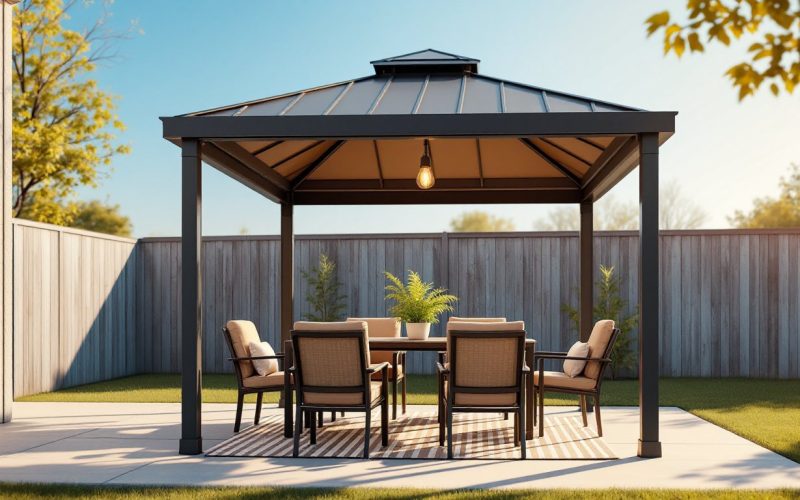
A patio furniture gazebo is a freestanding or anchored outdoor structure designed specifically to shelter seating and dining areas. Unlike pergolas, which feature open, slatted roofs and are typically more architectural in nature, gazebos provide full or near-full overhead coverage. They’re built to protect furniture from UV degradation, rain damage, and debris while creating a defined zone for outdoor living.
Most gazebos intended for patio furniture range from 8×8 feet to 12×16 feet, with 8- to 10-foot peak heights to allow for ceiling fans, hanging lights, or tall-back chairs. Materials vary widely: aluminum frames with powder-coated finishes, steel frames with rust-resistant coatings, or wood frames (typically cedar or pressure-treated pine) that require ongoing maintenance.
Why install one? First, it extends the usable life of outdoor furniture. Fabrics fade slower, cushions stay drier, and table surfaces resist warping. Second, it creates a microclimate, up to 15°F cooler under a solid roof on a sunny day. Third, it adds property value and visual structure to flat, featureless patios. And fourth, it lets homeowners avoid the daily ritual of dragging cushions inside every time the forecast calls for rain.
Types of Patio Furniture Gazebos for Every Outdoor Space
Hardtop Gazebos
Hardtop models feature solid roofs made from galvanized steel, aluminum panels, or polycarbonate sheets. These are the workhorses of patio furniture gazebos, they don’t rip, sag, or fade, and they handle snow loads in northern climates (check local snow load ratings: most are rated for 20–30 psf).
Aluminum hardtops are lightweight and rust-proof, making them ideal for coastal areas. Steel versions are heavier and require anchor bolts into concrete or deck blocking, but they resist high winds better, look for models rated to 40+ mph if wind is a concern. Polycarbonate roofs offer UV filtration while letting diffused light through, which keeps the space bright without the glare.
Expect to spend $800–$3,000 depending on size and materials. Assembly typically takes two people 4–6 hours with basic tools: a drill/driver, socket set, level, and ladder. Most kits include pre-drilled frames and numbered parts, but instructions vary in quality, watch the manufacturer’s assembly video before starting.
Soft-Top and Canopy Gazebos
Soft-top gazebos use polyester or solution-dyed acrylic fabric stretched over a metal frame. They’re lighter, cheaper ($250–$1,200), and easier to move or store during winter, but the canopy will need replacement every 3–5 years depending on sun exposure and material quality.
Solution-dyed fabrics resist fading better than standard polyester and often carry UV protection ratings of UPF 50+. Vented or double-roof designs improve airflow and reduce wind uplift, critical for stability. Avoid bargain canopies with thin, uncoated fabric: they’ll tear in the first storm and offer minimal UV protection.
Soft-tops work well for renters, seasonal users, or those testing a layout before committing to a permanent structure. They’re also a good choice for uneven ground where a rigid hardtop frame won’t sit level. Just know they require more maintenance: fabric cleaning, frame lubrication, and periodic tightening of corner bolts.
Choosing the Right Furniture for Your Gazebo Setup
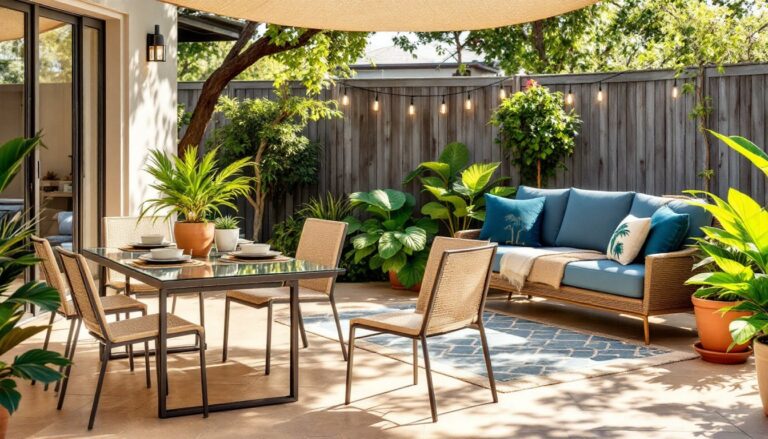
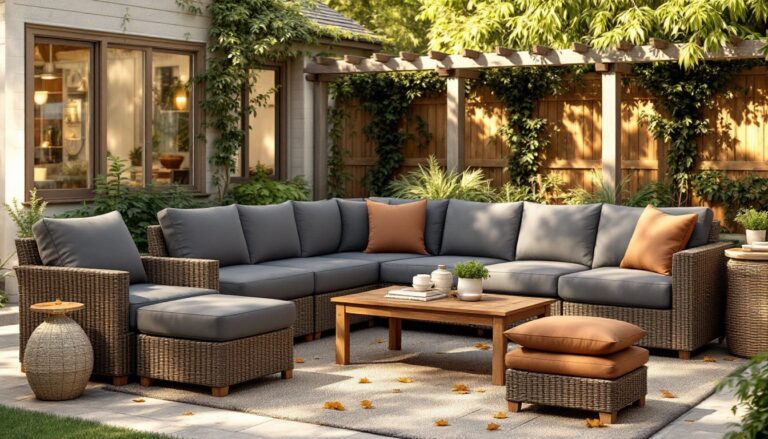
Furniture selection hinges on three factors: gazebo size, use case, and material durability. For an 8×8-foot gazebo, stick to a 4-person bistro set or a small sectional with a side table. A 10×10-foot footprint accommodates a 6-person dining table or an L-shaped seating group with a coffee table. Go with 12×12 feet or larger for full outdoor living setups, dining table, lounge seating, and a grill cart.
Materials matter. Powder-coated aluminum frames hold up well under cover but won’t rust if rain blows in. Resin wicker over aluminum or steel frames balances aesthetics with weather resistance. Avoid untreated wood unless the gazebo has a fully sealed roof and good drainage, moisture still gets in. HDPE (high-density polyethylene) furniture mimics wood grain but won’t rot, splinter, or require staining.
Cushions and upholstery should use solution-dyed acrylic fabrics like Sunbrella, which resist fading and mildew. Even under a gazebo, humidity and morning dew will settle on fabric. If storage is tight, consider furniture with quick-dry foam cores or removable, machine-washable covers.
For dining setups, leave 36 inches between the table edge and gazebo posts to allow chairs to slide out comfortably. For lounge seating, position furniture to face a view or firepit, not inward toward the gazebo frame. And always measure furniture dimensions before buying, a sectional that fits on a patio may not fit under a gazebo’s posted corners.
How to Install and Position Your Patio Furniture Gazebo
Positioning comes first. Place the gazebo to maximize shade during peak sun hours (typically west-facing to block afternoon heat) while keeping it level and accessible. Avoid low spots where water pools, and stay 10 feet away from grills or firepits to prevent heat damage to fabric or powder coating.
For concrete patios or pavers: Use masonry anchors or wedge anchors (typically 3/8-inch × 3-inch) drilled into the slab. Mark post locations, drill pilot holes with a masonry bit, insert anchors, and bolt the frame down. If drilling into pavers, hit the paver center, not the joint, to avoid cracking.
For wood decks: Anchor into the deck joists, not just the decking boards. Locate joists with a stud finder or by tapping, then use lag bolts (1/4-inch × 4-inch minimum) with washers. If the gazebo posts don’t align with joists, sister a 2×6 or 2×8 blocking between joists and anchor into that. Never rely on deck screws alone, they’ll pull out under wind load.
For grass or dirt: Use ground stakes or auger anchors if the manufacturer provides them, but understand these won’t resist serious wind. For a permanent install, pour 12-inch diameter × 18-inch deep concrete footings and mount post brackets on top. This approach mirrors deck footing standards and keeps the frame stable long-term.
Two people and 4–6 hours is realistic for most installs. Work on a calm day, wind turns large panels into sails. Use a 4-foot level to check plumb on all posts before tightening hardware. And always read the instructions twice before starting: some kits require partial assembly on the ground before lifting into place.
Maintenance Tips to Keep Your Gazebo and Furniture Looking Great
Hardtop gazebos need an annual inspection. Check roof panels for loose screws, rust spots, or sealant gaps. Clean with a mild detergent and soft brush, avoid pressure washers on polycarbonate, which can crack the panels. Tighten all bolts and re-apply clear silicone sealant where the roof meets the frame if gaps appear.
Soft-top canopies should be brushed off monthly to remove leaves, pollen, and dirt. Wash with warm water and mild soap (never bleach, which degrades fabric). Let it dry completely before winter storage to prevent mildew. Inspect stitching and grommets each season and patch small tears with fabric repair tape before they spread. Replace canopies when fabric shows thinning, large tears, or water no longer beads on the surface.
Furniture maintenance depends on material. Aluminum and resin wicker just need occasional washing with soapy water. Wood furniture (even under cover) should be cleaned and re-sealed or stained every 1–2 years. Cushions should be stored indoors during winter, even in mild climates, condensation and freeze-thaw cycles break down foam and fabric over time.
Check anchor bolts twice a year, especially after storms. Rust on hardware can be addressed with rust remover and a fresh coat of rust-inhibiting spray paint. Keep drainage clear around the gazebo base to prevent standing water, which accelerates frame corrosion and attracts mosquitoes.
Winter prep: Remove or secure loose accessories (lights, curtains, hanging plants). In snow-prone areas, either remove soft-top canopies entirely or brush snow off after each storm to prevent collapse. Hardtops rated for snow load can stay up, but clearing snow reduces long-term stress on the frame. This kind of routine care keeps a patio setup functional and attractive for a decade or more without major repairs.