Table of Contents
ToggleOutfitting a teen bedroom isn’t like furnishing a guest room or toddler’s nursery. The space needs to work harder, handling everything from assignments and hobbies to hosting friends and storing an ever-growing wardrobe. A well-chosen furniture set can anchor the room, provide needed functionality, and reflect a teen’s personality without requiring a full custom build. The challenge is balancing durability, style, and budget while planning for the fact that tastes and needs shift quickly during these years. This guide walks through what matters most when selecting teen bedroom furniture sets, from construction quality to smart layout choices that make small or awkward rooms work better.
Key Takeaways
- Teen bedroom furniture sets should prioritize solid wood or quality engineered wood with metal ball-bearing drawer glides and dovetail joinery to withstand daily wear and abuse.
- Modern minimalist and industrial styles dominate teen bedroom furniture trends, offering both aesthetic appeal and functional durability that suits growing needs and changing tastes.
- Include essential pieces—a bed frame with storage, deep-drawer dresser, spacious work desk, supportive seating, nightstand, and bookshelf—to create a functional space that handles studying, hobbies, and socializing.
- Loft beds, corner desks, and multifunctional furniture like ottoman beds maximize floor space in smaller bedrooms while maintaining comfort and accessibility.
- Budget-friendly teen bedroom furniture options range from $600–$900 for laminate sets to $1,200–$2,500 for solid wood; mixing vintage pieces with new furniture and refinishing in a unified color keeps costs down without sacrificing style.
What to Look for in Teen Bedroom Furniture Sets
Start with construction quality. Teens are harder on furniture than adults, desk chairs get tilted back, bed frames bear the weight of impromptu seating, and dresser drawers get yanked open in a rush. Look for solid wood or engineered wood (MDF or particleboard with a veneer) rated for residential use. Solid wood costs more but handles abuse better: quality engineered wood keeps prices down while offering decent longevity if the veneer is thick and edge-banded.
Check joinery on dressers and nightstands. Dovetail or mortise-and-tenon joints outlast stapled or glued butt joints. Drawer glides should be metal ball-bearing slides rather than plastic or wood-on-wood: full-extension slides make it easier to access items in the back.
Pay attention to bed frame weight capacity. Standard twin or full frames should support at least 250–300 pounds, accounting for mattress, bedding, and occupant. If the teen is tall or the bed doubles as seating, consider a frame rated higher. Platform beds eliminate the need for a box spring and often include under-bed storage, a practical choice for tight quarters.
Finish durability matters. Water-based or low-VOC lacquers and varnishes are safer for enclosed spaces and hold up to cleaning. Avoid furniture with paper-thin laminates that peel at edges or chip easily.
Finally, think about modularity. Teens’ needs change, today’s study desk might need to accommodate dual monitors or crafting supplies next year. Sets with interchangeable pieces or adjustable shelving adapt better than fixed configurations.
Popular Teen Bedroom Furniture Set Styles
Modern and Minimalist Sets
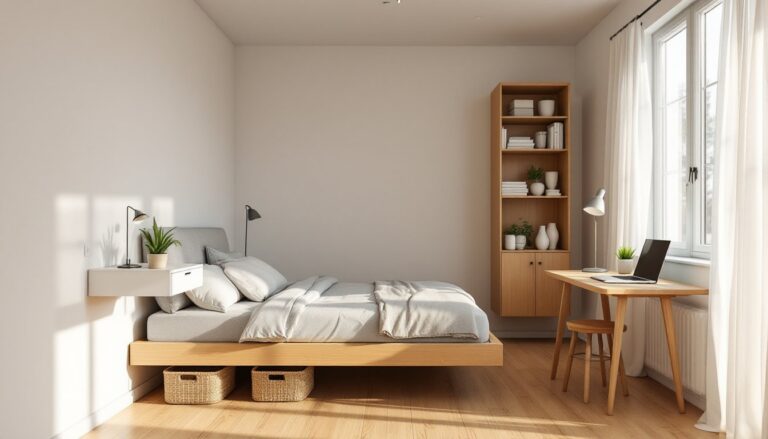
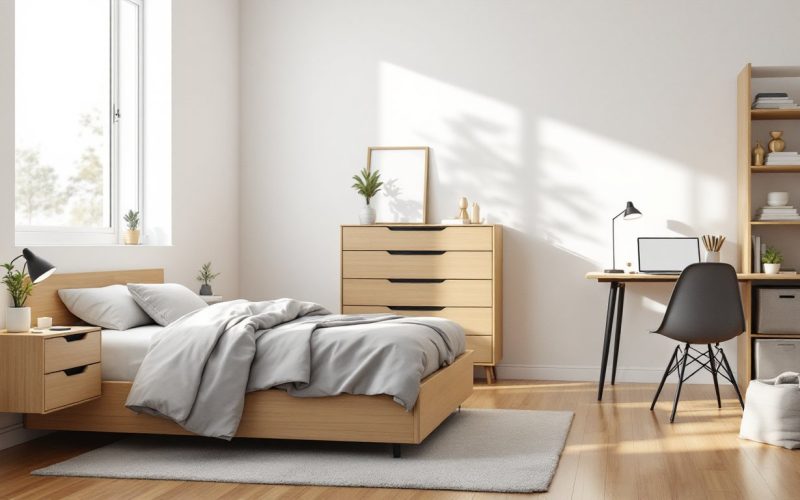
Clean lines, neutral palettes, and functional design define modern minimalist sets. Think low-profile platform beds, floating nightstands, and dressers with flat-front drawers and minimal hardware. Materials lean toward light woods (birch, ash, or light oak) or white/gray lacquered finishes.
This style works well in smaller bedrooms because the visual simplicity doesn’t crowd the space. Pair with wall-mounted shelving or a simple desk with hairpin legs to keep the floor open. Storage tends to be hidden, under-bed drawers, closed cabinets, rather than open shelving, which suits teens who prefer a tidier look without constant organizing.
Modern sets often incorporate modular elements. A desk might have optional hutches or side returns: a bed frame might accept clip-on side tables. This flexibility is ideal for spaces that need to pivot from study zone to hangout spot. Many furniture modifications turn basic pieces into custom solutions without professional carpentry.
Industrial and Urban Designs
Industrial sets combine metal frames (usually steel or wrought iron) with reclaimed or distressed wood surfaces. Beds often feature pipe-style footboards or rivet details. Desks and dressers may have metal drawer pulls, exposed bolts, or wire-mesh accents.
This style reads as more rugged and ages well visually, scuffs and dings blend into the aesthetic rather than looking like damage. It’s a good match for teens into music, skateboarding, or urban culture. The metal components add structural strength: many industrial bed frames can handle 500+ pounds and double as loft supports if headroom allows.
Color schemes trend toward charcoal, gunmetal, and weathered gray with warm wood tones (walnut or espresso-stained pine). The look pairs well with exposed brick, concrete floors, or painted drywall in matte finishes. Just be mindful of weight, metal frames are heavier and harder to reposition than wood equivalents.
Best Furniture Pieces to Include in a Teen Bedroom Set
A functional teen bedroom set should include at minimum:
Bed frame with storage. Platform beds with built-in drawers or lift-up storage maximize floor space. Twin or full sizes fit most rooms: queen frames work in larger spaces but check clearances, you need at least 24 inches on either side for making the bed and moving around comfortably.
Dresser with deep drawers. Look for units with at least five drawers of varying depths. Top drawers (3–4 inches deep) hold accessories and undergarments: bottom drawers (8–10 inches) accommodate bulky hoodies and jeans. A wide dresser (48–60 inches) can double as a media console or display surface.
Desk with adequate work surface. A 48-inch-wide desk provides room for a laptop, notebook, and task lamp without crowding. Include a hutch or wall-mounted shelves above for textbooks and supplies. Cable management grommets or raceways keep charging cords tidy.
Seating beyond the bed. A sturdy desk chair with adjustable height and lumbar support is essential for assignments. If space allows, add a small armchair or bean bag for reading or hanging out with friends. Avoid cheap mesh chairs, they sag quickly under daily use.
Nightstand or bedside table. Needs a drawer or shelf for phone, charger, and personal items, plus surface space for a lamp and water bottle. 16–20 inches wide is standard: match the height to your mattress top (typically 24–30 inches off the floor).
Bookshelf or storage tower. Open shelving (36–48 inches tall) works for books, trophies, and decor. Cube organizers with fabric bins hide clutter while keeping items accessible. Anchor tall shelves to wall studs using L-brackets to prevent tip-over, especially important in homes with younger siblings or pets.
How to Maximize Space with Smart Furniture Choices
Loft beds free up significant floor space underneath for a desk, dresser, or lounge area. Standard loft heights are 54–60 inches (low loft) or 68–72 inches (high loft). Measure ceiling height first, you need at least 33 inches of clearance between the mattress top and ceiling for sitting up comfortably. Low lofts work in rooms with 8-foot ceilings: high lofts require 9+ feet.
Ensure the frame is rated for the weight and securely anchored. Many loft beds attach to wall studs with lag bolts for lateral stability. If the room is carpeted, use bed risers or plywood pads under legs to distribute weight and prevent sinking.
Murphy beds or wall beds fold up when not in use, turning a bedroom into a multipurpose space. Installation requires securing the bed mechanism to wall studs capable of bearing 300–500 pounds. This is advanced DIY, consider hiring a carpenter if you’re not confident working with heavy hardware and load calculations.
Corner desks make use of awkward spaces that don’t fit standard furniture. L-shaped configurations provide two work surfaces without eating up a full wall. Pair with a rolling file cabinet that tucks underneath when not needed.
Many small space living ideas emphasize vertical storage, floor-to-ceiling shelving, wall-mounted hooks, and pegboards for accessories. Use the space above doorways for shallow shelves (6–8 inches deep) to store books or display items.
Furniture with dual functions cuts down on pieces. Ottoman beds include lift-up storage in the footboard: bench seating at the foot of the bed opens for linens or off-season clothes. Desks with integrated shelving eliminate the need for a separate bookcase.
Budget-Friendly Options for Teen Bedroom Furniture Sets
Expect to spend $800–$1,500 for a basic three-piece set (bed, dresser, nightstand) in decent quality. Prices vary widely by region, retailer, and material grade, solid wood runs $1,200–$2,500+, while laminate or veneer sets start around $600–$900.
Flat-pack furniture (also called ready-to-assemble or RTA) keeps costs down. Quality varies: check reviews for complaints about missing hardware, misaligned holes, or flimsy panels. Assembly typically takes 2–4 hours with basic tools, a cordless drill, Phillips head bit, and rubber mallet speed things up. Have a second person available for holding large panels square during assembly.
Shop floor models and clearance sales at furniture stores. Display pieces often sell for 30–50% off with minor cosmetic flaws (small scratches, dings) that don’t affect function. Inspect all drawers, doors, and joints before buying.
Buy used selectively. Solid wood beds, dressers, and desks hold up well secondhand if the joinery is intact. Avoid upholstered pieces (potential for bed bugs or odors) and anything with particle board that’s swollen from moisture. Check drawer glides and hinges, replacing broken hardware adds cost and hassle.
Mix and match instead of buying a matched set. A sturdy bed frame from one source, a refinished vintage dresser, and a simple desk can look cohesive with a unified color scheme or hardware swaps. Painting furniture in a consistent color (matte black, charcoal, or white) ties mismatched pieces together. Use water-based acrylic paint with a bonding primer for durability: a quart covers roughly 100–120 square feet, enough for a dresser and nightstand.
Consider budget renovation ideas that update existing furniture instead of replacing it. Swapping drawer pulls, adding peel-and-stick wallpaper to drawer fronts, or applying new stain refreshes tired pieces for under $50 in materials.