Table of Contents
ToggleWoodard wrought iron patio furniture has been gracing American backyards, porches, and gardens since 1930, and it’s still going strong. That’s not nostalgia talking, it’s the result of genuine craftsmanship, weather-resistant construction, and timeless design that doesn’t scream “trending for spring 2026.” If someone is looking for outdoor furniture that lasts decades instead of seasons, wrought iron from Woodard deserves serious consideration. This guide walks through what sets Woodard apart, which collections fit different spaces, how the furniture holds up over time, and what it takes to keep it looking sharp year after year.
Key Takeaways
- Woodard wrought iron patio furniture is hand-forged and built to last 20+ years or more with proper maintenance, making it a durable alternative to lightweight aluminum and resin options.
- The multi-step powder coating process is critical to rust resistance; regular inspection and touch-ups on any chips or scratches prevent rust from spreading in humid or coastal climates.
- Popular Woodard collections like Briarwood, Landgrave, Modesto, and New Orleans offer distinct styles ranging from ornate Victorian to modern minimalist, each fitting different outdoor design aesthetics.
- While Woodard wrought iron furniture costs $250–$450 per dining chair and up to $1,400 for tables, the higher upfront investment pays off through decades of service without the need for replacement.
- Routine maintenance is simple: wipe frames monthly with mild soap and water, inspect joints seasonally for damage, and store cushions indoors during off-season or extended rain to preserve finish and fabrics.
- Wrought iron’s weight (25–35 pounds per chair) is a strength, keeping furniture stable in wind and resistant to denting, though it requires freight shipping and two people for assembly.
Why Woodard Wrought Iron Stands Out in Outdoor Furniture
Woodard built its reputation on hand-forged wrought iron at a time when most manufacturers were stamping out aluminum copies. The difference shows in weight, durability, and detail. Wrought iron is iron that’s been heated and worked into shape, hammered, bent, scrolled, rather than cast in a mold. It’s denser and more flexible than cast iron, which means it resists cracking and holds intricate curves.
Woodard finishes each piece with a multi-step powder coating process designed to prevent rust. Most outdoor furniture gets one coat and a prayer: Woodard applies an electrostatically charged powder that’s baked on at high temperatures, creating a bond that’s tougher than conventional paint. That coating is what keeps rust at bay, even in humid climates or coastal areas with salt air.
The design language leans classic, think scrollwork, lattice backs, and botanical motifs, but it’s not stuck in the past. Collections like Briarwood andLandgrave balance traditional metalwork with cleaner lines that fit contemporary patios. And because each frame is welded by hand, joints are solid. No wobbly legs after two summers.
Popular Woodard Wrought Iron Collections and Styles
Woodard offers several wrought iron lines, each with its own aesthetic. Here’s what stands out:
Briarwood: Features nature-inspired details with vine and leaf motifs. Chairs have contoured seats and wide armrests. This collection fits well in gardens with mature landscaping or English cottage-style layouts.
Landgrave: More streamlined, with geometric patterns and less ornamental scrollwork. It’s a good middle ground if someone wants wrought iron durability without full Victorian flourish.
Modesto: Clean, almost mid-century lines. The frames are still hand-forged wrought iron, but the silhouette is simpler, squared-off backs, minimal embellishment. Works on modern patios or minimalist outdoor dining setups.
New Orleans: True to its name, this line leans heavily on wrought iron’s historic roots, lattice backs, ornate curves, and traditional chair profiles. It’s a fit for formal outdoor spaces or anyone restoring a period home.
Most collections include dining chairs, club chairs, loveseats, dining tables, and occasional tables. Cushions are sold separately, which is standard in the category. Look for Sunbrella or similar solution-dyed acrylic fabrics for cushion covers, they resist UV fade and mildew better than cotton blends.
Durability and Weather Resistance: What to Expect
Wrought iron is heavy, a single dining chair can weigh 25 to 35 pounds. That’s a feature, not a bug. The weight keeps furniture planted during windstorms, and the density means the frame won’t dent from a stray basketball or ladder.
Rust resistance depends entirely on the integrity of the powder coating. As long as that coating stays intact, the iron underneath won’t oxidize. Chips and scratches, from dragging chairs across concrete or impacts, expose bare metal. If that happens, rust can start within weeks in damp climates. The fix is straightforward: sand the spot down to bare metal, apply a rust-inhibiting primer, then touch up with matching paint. Woodard sells touch-up kits, or any automotive-grade powder coat touch-up works.
Expect 20+ years of service life with proper maintenance. Some vintage Woodard pieces from the 1940s and 50s are still in use, often passed down or resold. Their timeless appeal and solid construction have made them sought-after in the vintage market.
Wrought iron handles temperature extremes well, but it will get hot in direct sun, uncomfortable to touch after a few hours of midday exposure. In northern climates, frames can be left outside through winter without issue, though cushions should be stored indoors to prevent mildew and fabric degradation.
Maintenance Tips for Long-Lasting Beauty
Wrought iron isn’t high-maintenance, but it’s not zero-maintenance either. Here’s what keeps it looking good:
Routine Cleaning
- Wipe frames down with a damp cloth and mild dish soap every few weeks during the season. Pollen, tree sap, and bird droppings can eat into the finish if left too long.
- For textured or scrolled areas, use a soft-bristle brush (an old toothbrush works) to get into crevices.
- Rinse with a hose: avoid pressure washers, which can chip the coating.
Inspect for Chips
Once or twice a season, check joints, feet, and high-contact areas for scratches or exposed metal. Catching a chip early prevents rust from spreading. Many outdoor furniture enthusiasts recommend inspecting vintage pieces before each season.
Touch-Up Protocol
- Sand the damaged area with 120-grit sandpaper until bare metal shows and edges are smooth.
- Wipe clean with a tack cloth or damp rag.
- Apply a rust-inhibiting primer (Rust-Oleum makes a good aerosol version).
- Once dry, apply matching powder coat touch-up paint. Woodard provides color codes for each finish.
Cushion Care
Remove cushions during heavy rain or when furniture won’t be used for a week or more. Even water-resistant fabrics benefit from airflow. Store in a dry shed, garage, or deck box. Wash covers per the manufacturer’s instructions, most Sunbrella fabrics tolerate machine washing on gentle with air drying.
Design Ideas: Incorporating Woodard Furniture Into Your Outdoor Space
Wrought iron reads formal, so it pairs well with structured landscaping, hedges, stone pathways, brick patios. But it’s flexible enough to work in casual settings if styled right.
Dining Setups
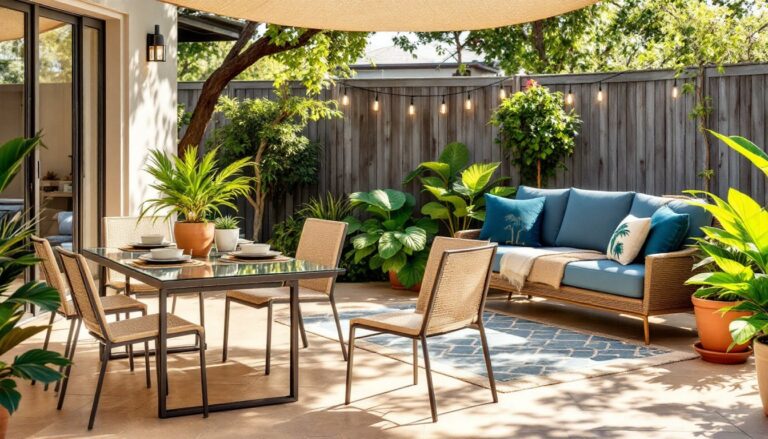
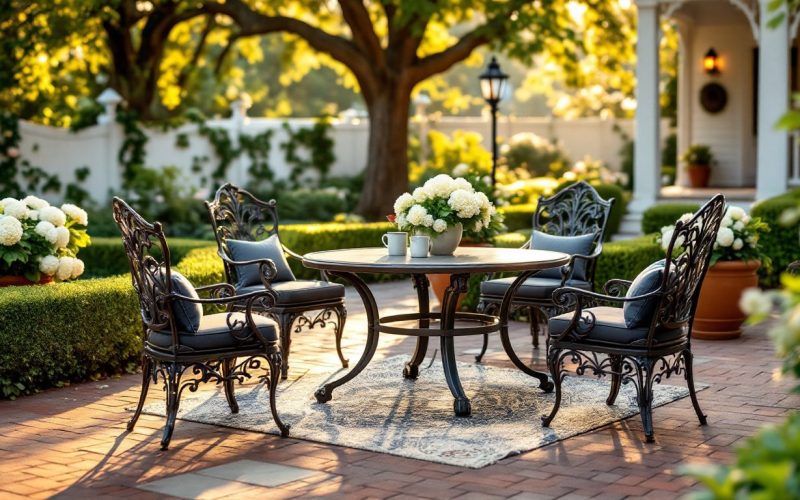
A Woodard wrought iron dining table with four to six chairs anchors a patio or covered porch. Pair with a market umbrella (look for a base weighing at least 50 pounds to handle wind). Add outdoor string lights overhead and a low planter centerpiece. Skip plastic, go with terracotta or glazed ceramic.
Conversation Areas
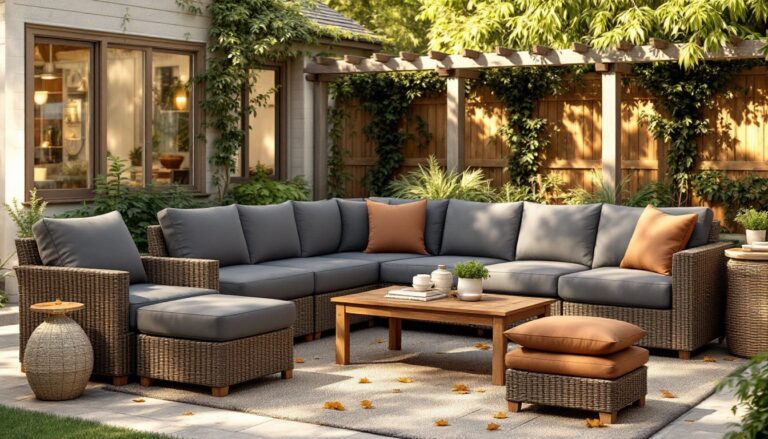
Two club chairs and a loveseat around a coffee table create a natural gathering spot. Use outdoor rugs to define the space, polypropylene rugs hold up to moisture and are easy to hose off. Cushions in solid, muted tones (charcoal, olive, navy) let the ironwork stand out.
Covered Porches
Wrought iron thrives under cover. A pair of rockers or a glider on a front porch is classic Southern style, and the covered environment extends the life of both the finish and the cushions. Add lanterns or potted ferns to complete the look.
Small Spaces
A bistro set, two chairs and a small round table, fits on balconies or narrow side yards. The visual weight of wrought iron doesn’t overwhelm tight spaces the way bulky resin furniture can. For ideas on arranging compact outdoor areas, design inspiration sites offer helpful layouts.
Avoid pairing wrought iron with ultra-modern materials like acrylic or polished stainless unless the goal is deliberate contrast. It works best with natural textures: wood, stone, linen, cotton.
Where to Buy and What to Consider Before Purchasing
Woodard wrought iron is sold through specialty patio retailers, both brick-and-mortar and online. It’s not typically stocked at big-box home improvement stores. Authorized dealers can order specific collections and finishes, and some offer floor models for immediate purchase.
New vs. Vintage
New Woodard pieces come with warranties (usually 3 to 5 years on frames) and consistent finish quality. Vintage Woodard, particularly pieces from the 1940s through the 1980s, can be found at estate sales, antique shops, and online marketplaces. Vintage frames are often just as solid as new ones, but they may need refinishing. If buying used, check welds and joints carefully. Surface rust is cosmetic: structural cracks are a deal-breaker.
Pricing
Expect to pay $250 to $450 per dining chair, $600 to $900 for a loveseat, and $800 to $1,400 for a dining table, depending on the collection and finish. Prices vary by region and retailer markup. Wrought iron costs more upfront than aluminum or resin, but the lifespan justifies it if someone plans to stay put for a decade or more.
Shipping and Assembly
Wrought iron ships freight due to weight. Delivery may require a liftgate or curbside drop-off. Most pieces arrive fully assembled or require minimal assembly (attaching table legs, for example). Have a second person on hand, moving a wrought iron table solo is asking for a back injury.
Custom Finishes
Some dealers offer custom powder coat colors for an upcharge. Standard finishes include black, bronze, white, and hammered metallics. Custom colors add 4 to 6 weeks to lead time.
Before buying, measure the space. Wrought iron furniture has visual and physical heft. A table that looks proportional in a showroom can dominate a small patio. Sketch the layout or use painter’s tape on the ground to mock up dimensions.
Conclusion
Woodard wrought iron patio furniture isn’t the cheapest option, and it’s not the lightest. But it’s one of the few outdoor furniture lines that can genuinely last a generation with reasonable care. The hand-forged construction, durable powder coating, and classic designs make it a solid investment for anyone tired of replacing flimsy patio sets every few years. Measure carefully, maintain the finish, and it’ll outlast most of the other stuff in the yard.